

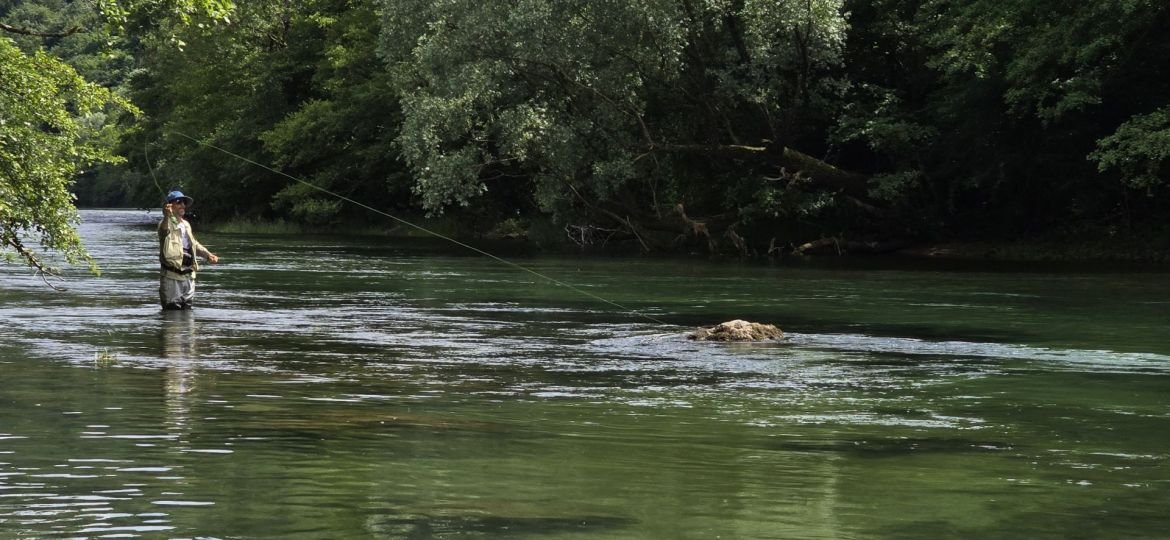
Over the years, we’ve learned that catching more fish isn’t always about having the newest gear or a fly box filled with hundreds of patterns. Very often, the small decisions you make before and during your fishing day have a much bigger impact.
Doing a little research, keeping your fly selection simple, and spending a few minutes observing the river before you start fishing can tell you a lot. Here are three simple tips that we believe every fly fisher can benefit from.
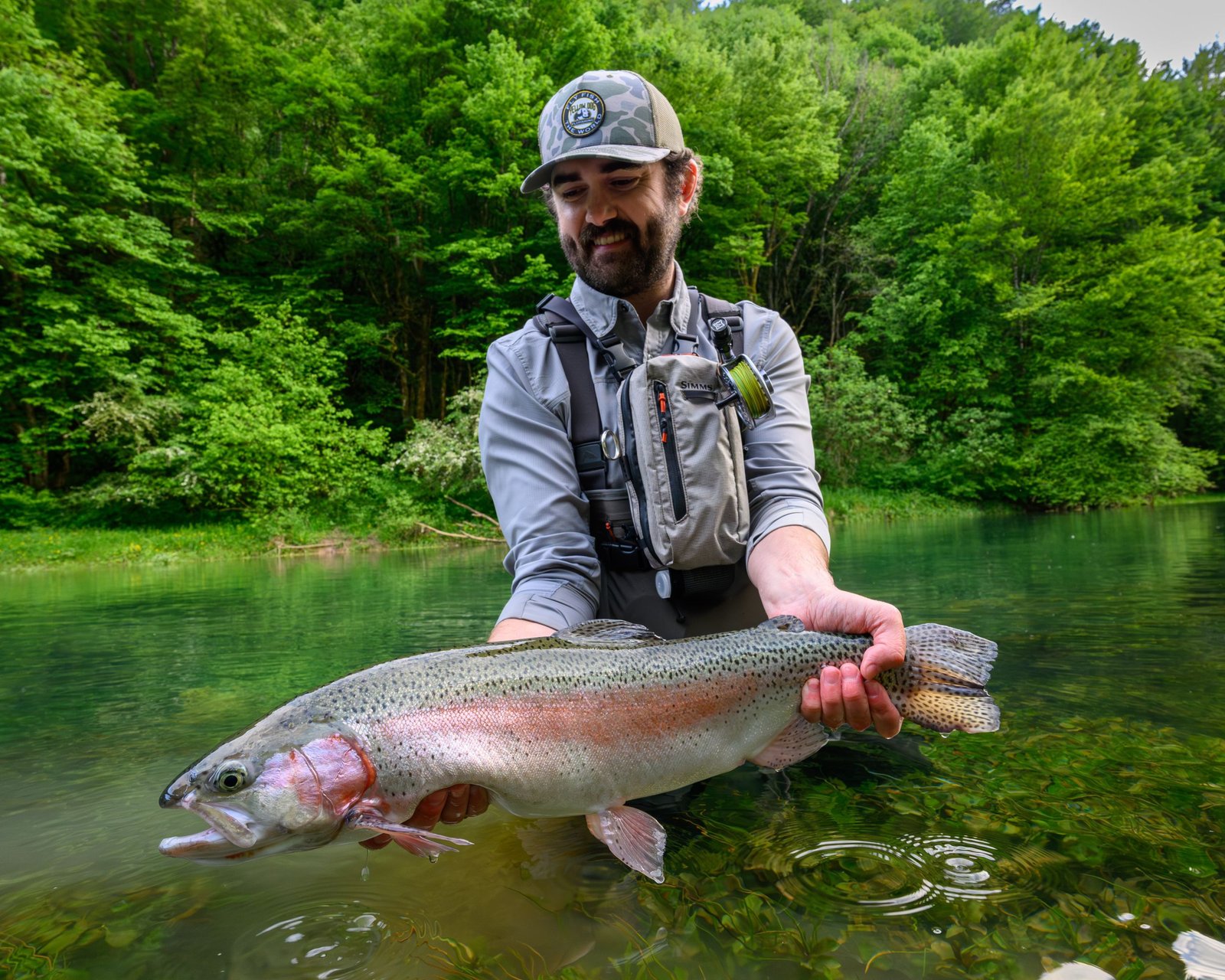
- Research Local Conditions and Hatches
Researching local conditions before heading out is one of the best things you can do to ensure a successful day on the river. Whether it’s through online forums, local fly shops, or conversations with seasoned local fishermen, gathering information on water levels, temperature, clarity, and current hatches can drastically improve your fishing experience.
- Utilize Online Resources: Fishing forums and social media groups often feature valuable insights from anglers who frequently fish the same waters. You’ll find discussions on recent conditions and what’s been working for them.
- Visit Local Fly Shops: Don’t underestimate the knowledge of your local fly shop staff. These experts often have firsthand experience with local water conditions and can provide recommendations on effective fly patterns based on current hatches. They may even have specific flies that are known to yield good results in the local area.
- Connect with Local Anglers: Engaging with local fly fishers can provide a wealth of knowledge. They can share tips on where to fish, how to approach different sections of the river, and the best times to cast your line.
- Hire a Guide: Consider hiring a local fishing guide, especially if you’re unfamiliar with the area or just starting in fly fishing. A guide can provide valuable insights into the river’s unique characteristics and help you develop effective fishing strategies. They know the best spots to catch fish, the current hatches, and the flies that will work best. Additionally, a guide can teach you techniques tailored to the specific conditions of the river.
By investing time in research and possibly hiring a guide, you can match your fly patterns to the insects currently hatching and adapt your fishing strategies accordingly. This preparation can lead to greater success and more enjoyable moments on the river, enhancing your overall fishing experience.
- Avoid Having Too Many Patterns
When it comes to fly fishing, having a well-curated selection of flies is far more beneficial than carrying an overwhelming number of patterns. While it may be tempting to stock up on every fly you come across, a smaller, more focused selection can streamline your fishing experience and improve your success on the water.
- Quality Over Quantity: Choose a handful of effective and versatile patterns that you know work in your local waters. Focus on mastering these flies, which will help you become more proficient in matching the hatch and adapting to fish behavior.
- Adapt to Local Hatches: Instead of bringing every fly imaginable, carry a small collection that reflects the common hatches in your area. By concentrating on a few key patterns, you can effectively target the insects that fish are feeding on without the distraction of less useful options.
- Organize Your Selection: A simplified fly selection will facilitate quick changes and help you stay organized. It saves you time from rummaging through a cluttered box, allowing you to focus on your technique and the water rather than being overwhelmed by choices.
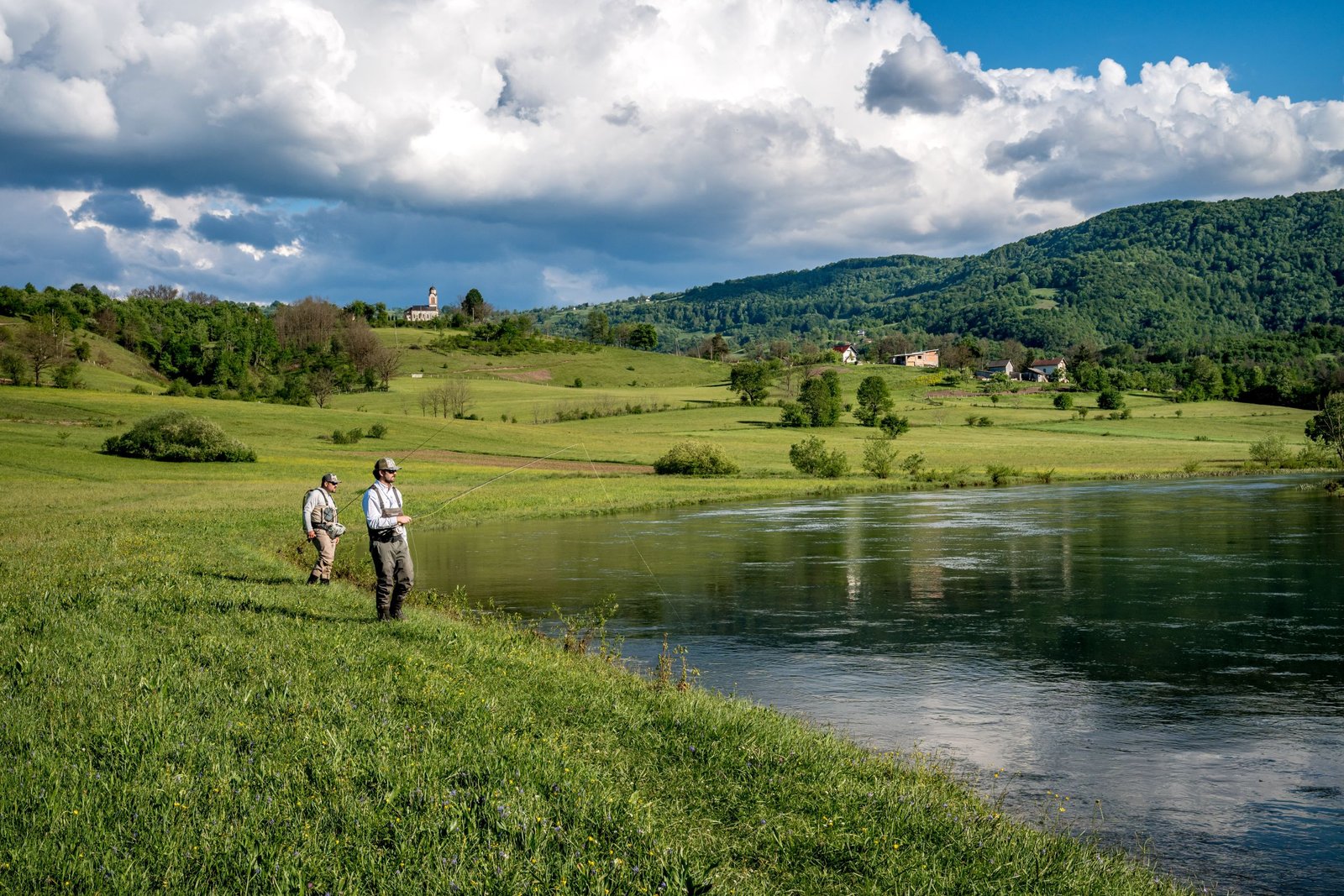
- Be Patient and Observant
One of the most valuable traits an angler can possess is patience. Fishing can often be a waiting game, and in order to be successful, you must remain patient and observant of your surroundings.
Taking just 10 minutes to observe the river can have a huge impact on your day. Rather than rushing to cast your line, spend these moments watching for signs of fish activity.
- Observe Rising Fish: Look for fish breaking the surface, indicating they are feeding on insects or other prey. This can help you determine which flies to use.
- Study Water Movement: Pay attention to the water’s flow and current dynamics. Identify eddies, pools, and faster runs where fish might be holding.
- Look for Insect Activity: Observe the surface for any hatching insects or other aquatic life. Matching your fly to what’s currently available is crucial for attracting fish.
- Take Note of Other Anglers: Watch how other anglers are having success. Their techniques might provide insights into what’s working on that particular day.
By taking the time to observe rather than immediately casting, you can make informed decisions on where and how to fish, ultimately leading to a more fruitful day on the river.
Conclusion
With these top three tips—researching local conditions, avoiding having too many patterns, and being patient and observant—you can set yourself up for a more successful day on the river. Remember that fly fishing is as much about enjoying the experience as it is about catching fish. Embrace the journey, stay adaptable, and celebrate the little victories along the way. Happy fishing!
Top of Form