Introduction
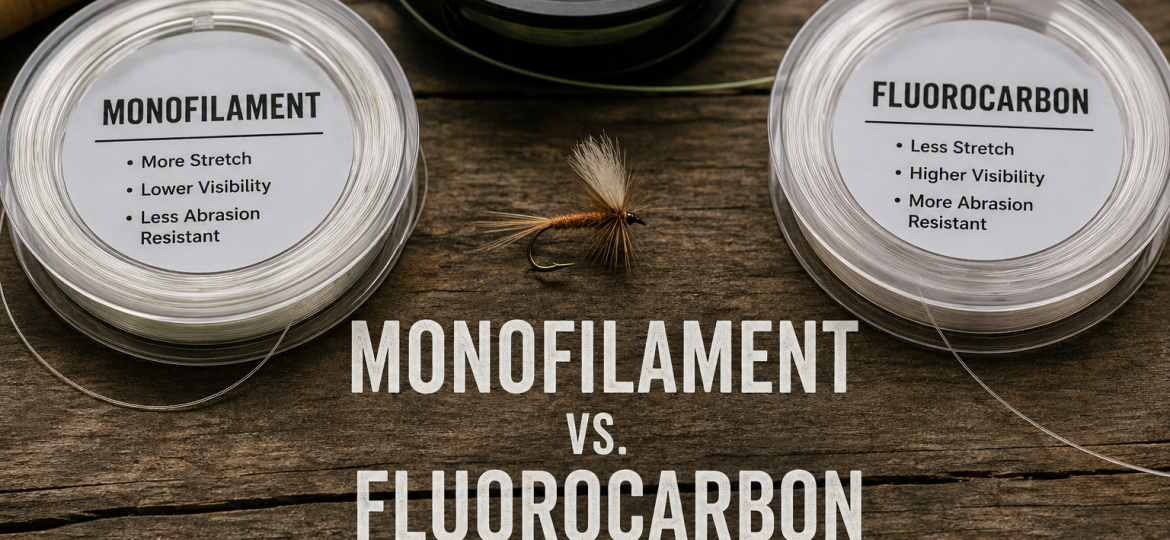
When it comes to fly fishing, selecting the right line is crucial for achieving success on the water. Two of the most commonly used types of lines are monofilament and fluorocarbon. Each has its own unique characteristics, advantages, and disadvantages, making them suitable for different conditions and types of fishing. This article will compare monofilament and fluorocarbon lines to help you make an informed choice for your next fishing adventure.
Monofilament Line
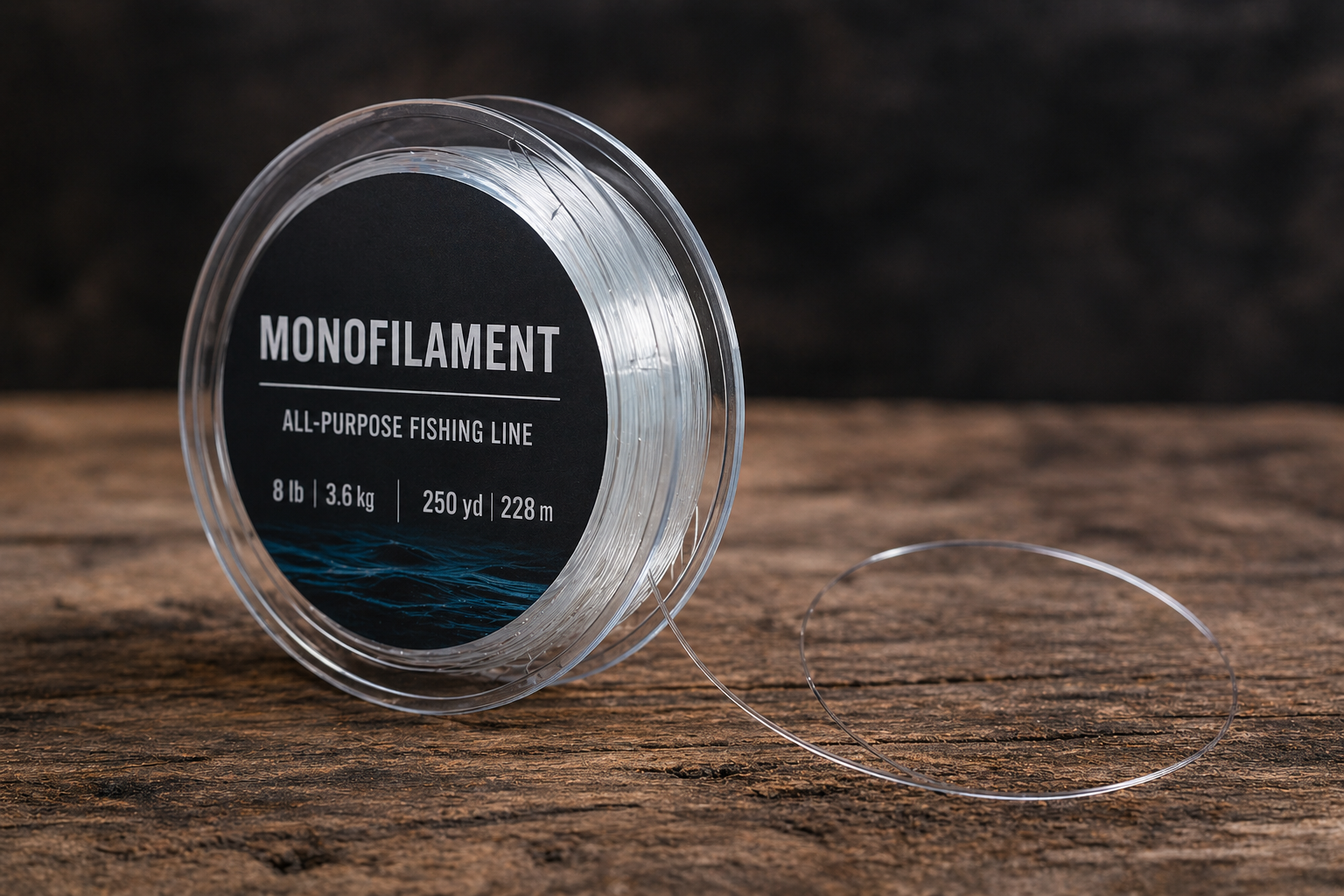
Overview: Monofilament (often abbreviated as mono) is a single-strand line made from nylon or other polymers. It has been a staple in fishing for decades due to its versatility and affordability.
Advantages:
- Buoyancy: Monofilament floats on water, making it ideal for surface fishing with dry flies. This buoyancy allows for easy visibility and retrieval.
- Stretch: The inherent stretch of monofilament provides shock absorption, which can be beneficial when battling fish, reducing the likelihood of breaking the line.
- Ease of Use: Monofilament is generally easier to handle, knot, and tie when compared to fluorocarbon. It is also more forgiving when it comes to knot strength and performance.
- Cost-Effective: Monofilament is typically less expensive than fluorocarbon, making it a preferred choice for those on a budget.
Disadvantages:
- Visibility: Being more visible in water than fluorocarbon can make fish more cautious, especially in clear conditions where spookiness is a concern.
- Water Absorption: Monofilament can absorb water over time, which may lead to decreased performance and durability.
Fluorocarbon Line
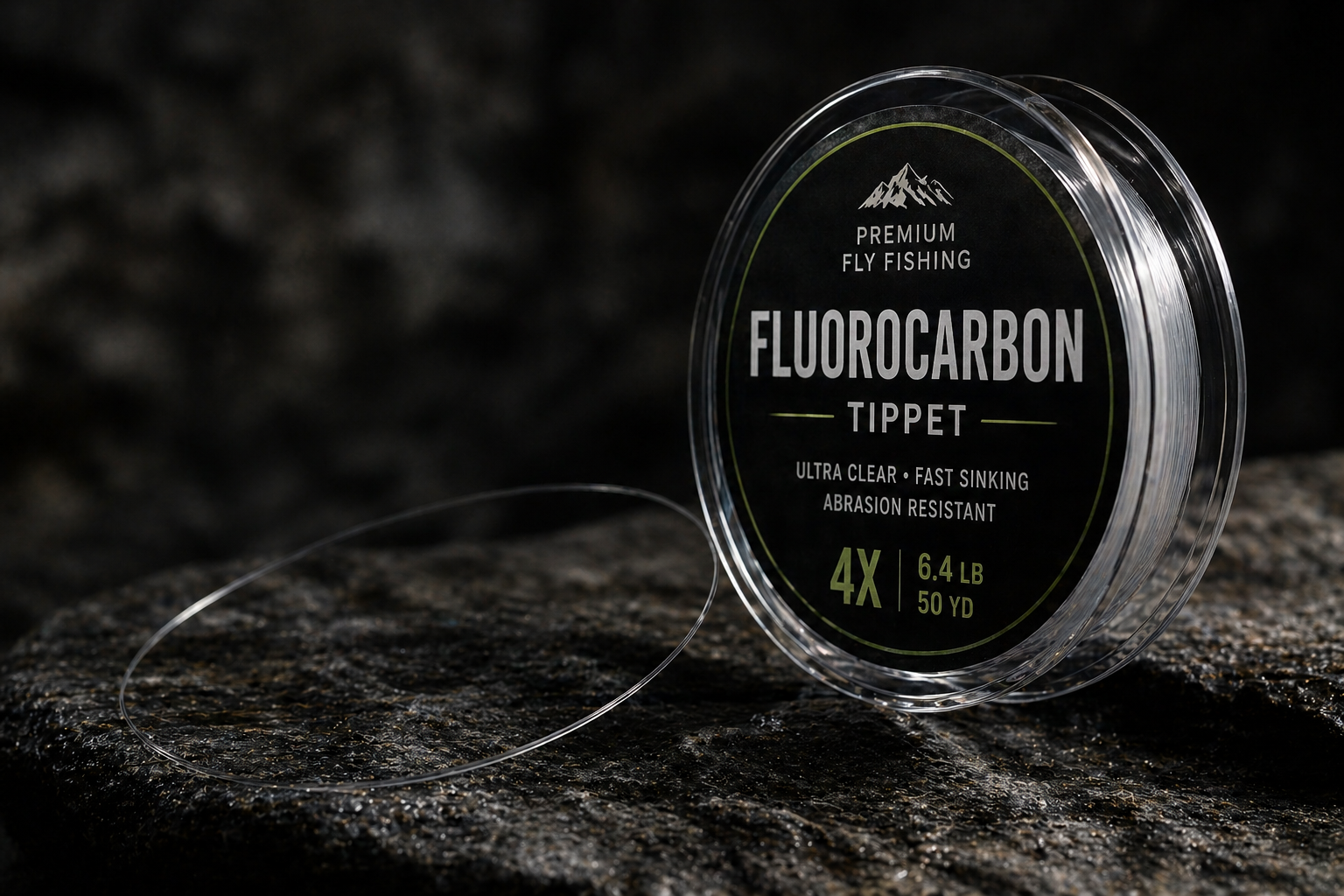
Overview: Fluorocarbon lines are made from polyvinylidene fluoride (PVDF), giving them a unique set of properties that differentiate them from monofilament.
Advantages:
- Low Visibility: Fluorocarbon is nearly invisible underwater due to its refractive index being similar to that of water. This makes it an excellent choice for wary fish, particularly in clear waters.
- Sensitivity: Fluorocarbon lines provide better sensitivity when detecting bites. This direct connection to your fly allows for quicker reactions and better hook sets.
- Abrasion Resistance: Fluorocarbon is more resistant to abrasions, making it a better option when fishing around rocks, weeds, or other potential line snags.
- Sinking Properties: Fluorocarbon sinks faster than monofilament, which can be beneficial when nymphing or fishing subsurface patterns.
Disadvantages:
- Stiffness: Fluorocarbon can be less flexible, which may complicate casting in some situations. Its stiffness could also lead to tangles or knots when casting.
- Cost: Generally, fluorocarbon is more expensive than monofilament, which may deter anglers looking for budget-friendly options.
- No Stretch: The lack of stretch in fluorocarbon means less shock absorption, which could increase the risk of breaking the line when fighting larger fish.
Choosing the Right Line for Fly Fishing
When deciding between monofilament and fluorocarbon for fly fishing, consider the following factors:
- Water Clarity: In very clear waters where fish are cautious, fluorocarbon’s low visibility may provide an advantage. Conversely, in murky waters, the visibility of monofilament may not affect catch rates significantly.
- Fishing Technique: If you’re primarily dry fly fishing, monofilament’s buoyancy is beneficial. For nymphing or fishing streamers, fluorocarbon’s sinking nature may be preferable.
- Types of Fish: Depending on the species you’re targeting and their feeding behavior, one line type may outperform the other.
- Budget: If cost is a significant factor, monofilament may be the better choice, especially for beginners or those fishing frequently.
Conclusion
Both monofilament and fluorocarbon lines have their unique strengths and weaknesses, and the right choice depends on the specific fishing conditions and your personal preferences. Understanding how each line performs can greatly enhance your fishing experience and success on the water. Whether you opt for the buoyant and cost-effective monofilament or the invisibility and sensitivity of fluorocarbon, being equipped with the right line type for the situation will put you one step closer to landing that prized catch.