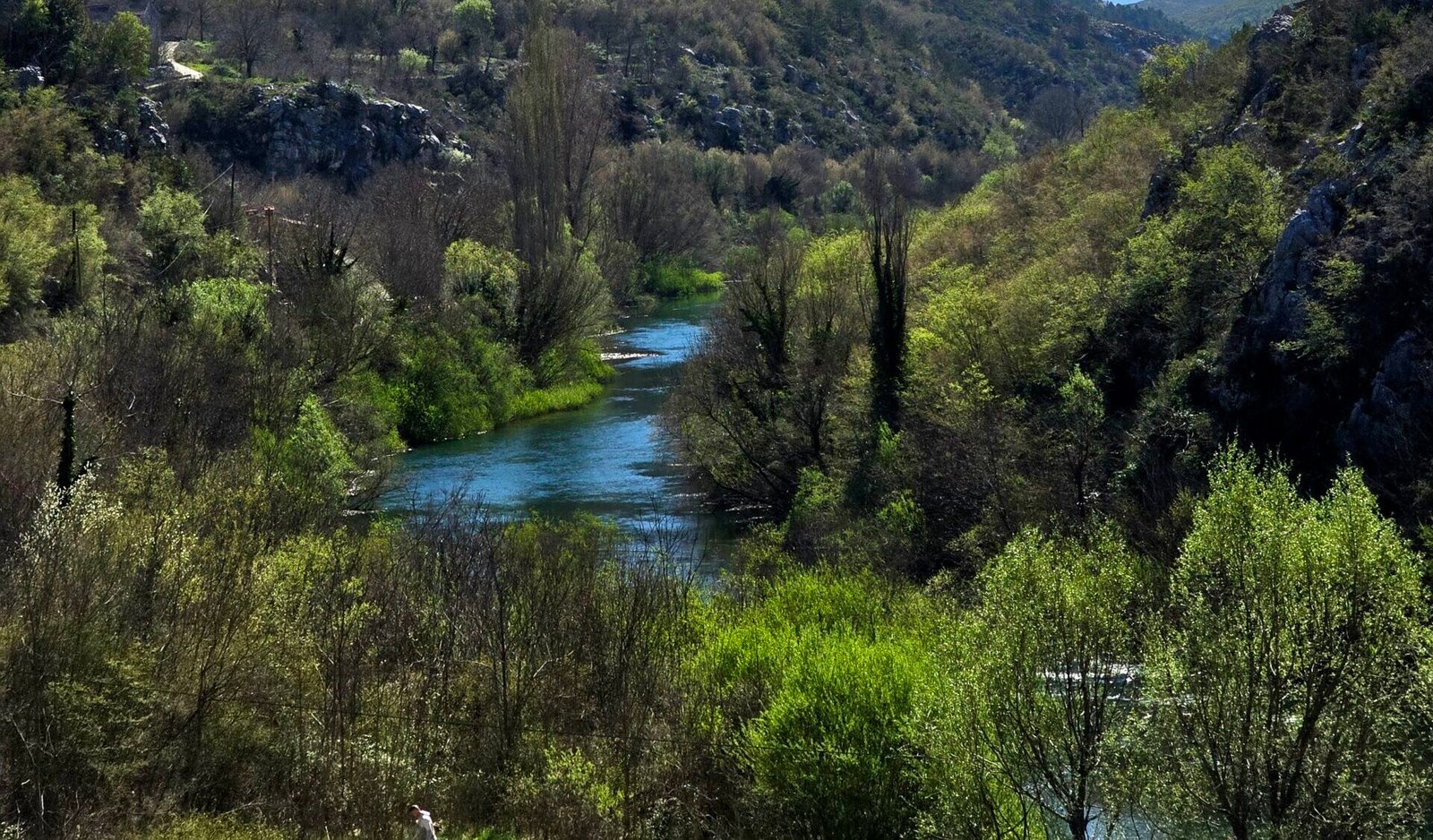
Introduction.
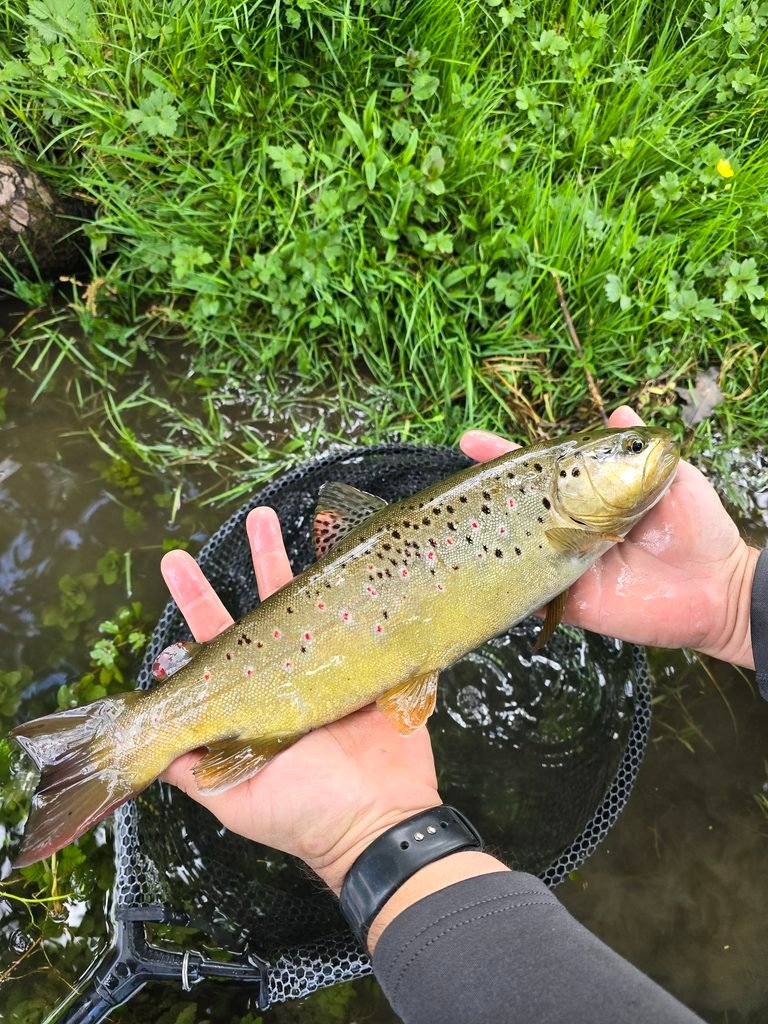
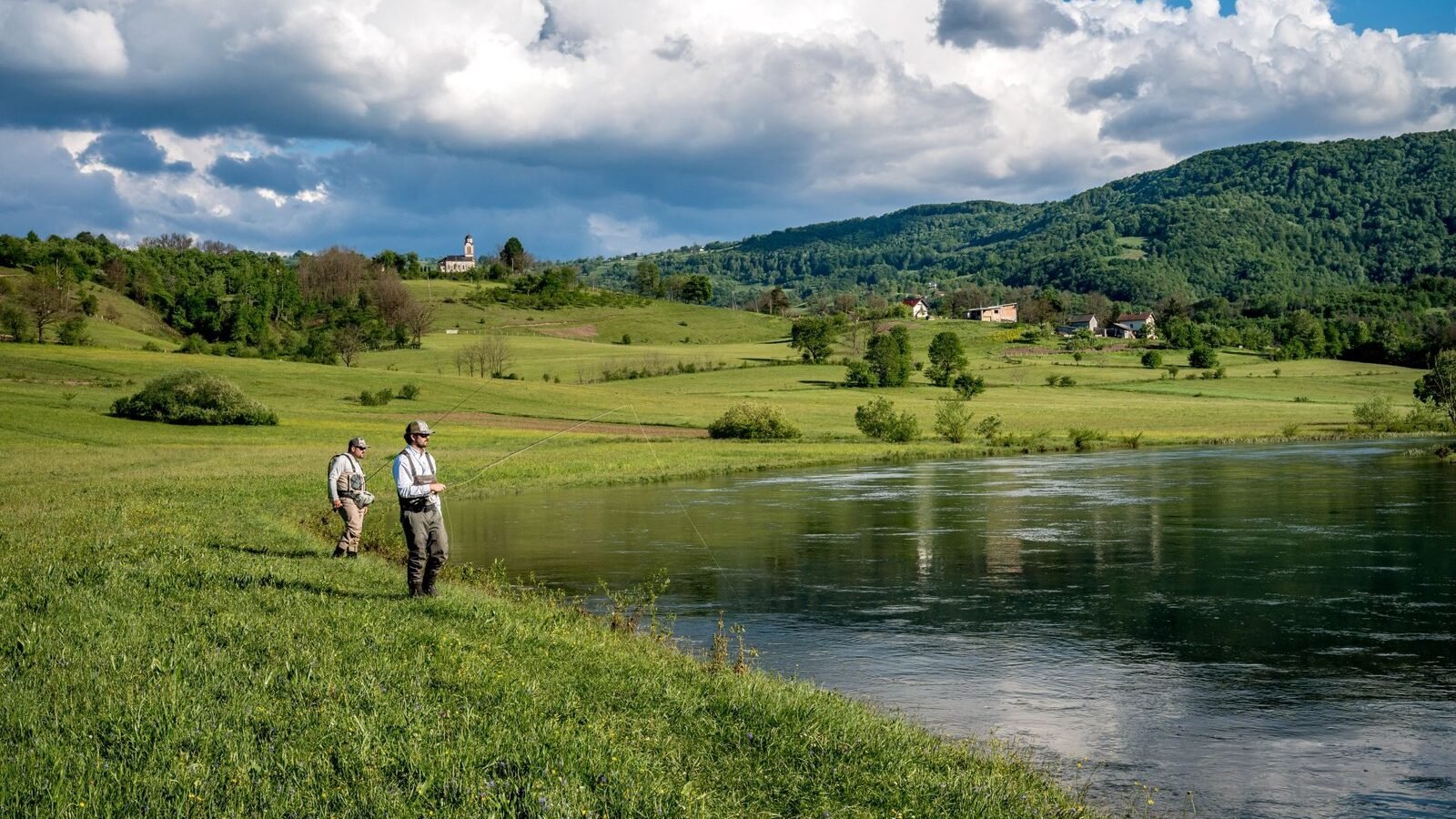
Bosnia and Herzegovina is well known among fly fishers for its clear, scenic rivers and storied trout fisheries. Beyond the popular waters lies a quieter side: remote mountain canyons, karst springs, and narrow headwater streams that rarely see crowds. These small waters demand stealth, delicate presentation, and local knowledge, and they hold native brown trout in pocket pools, undercut banks, and riffled seams. For anglers seeking solitude and intimate fishing, Bosnia’s small streams offer a rewarding, wild experience.
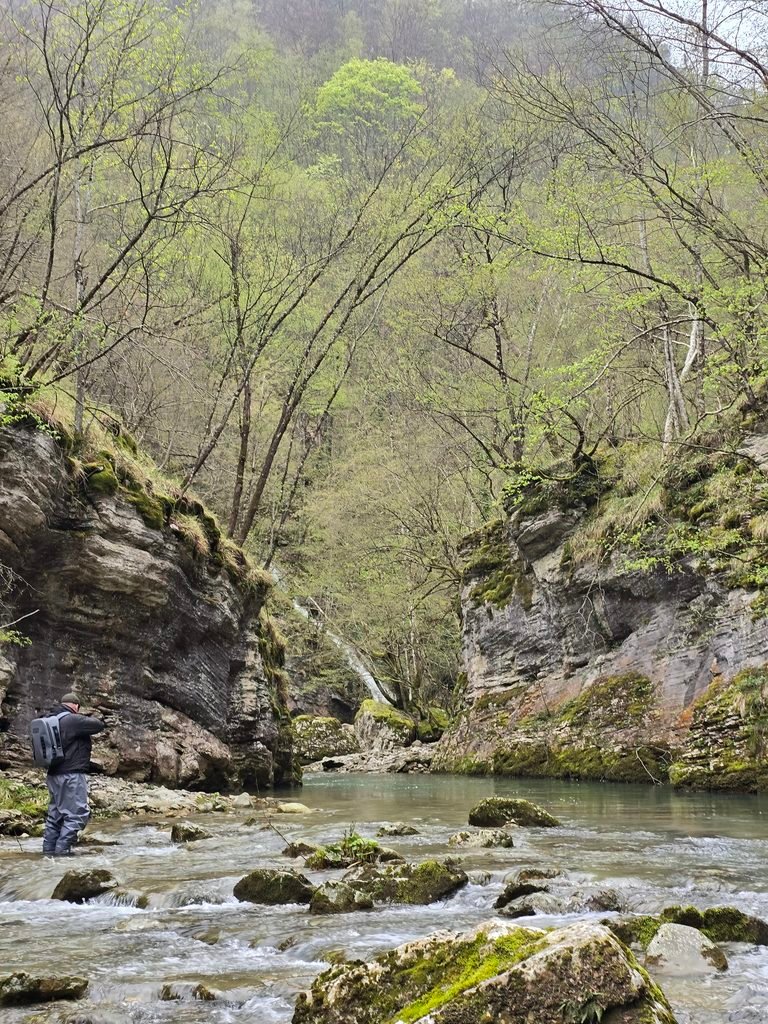
THE STEALTH APPROACH
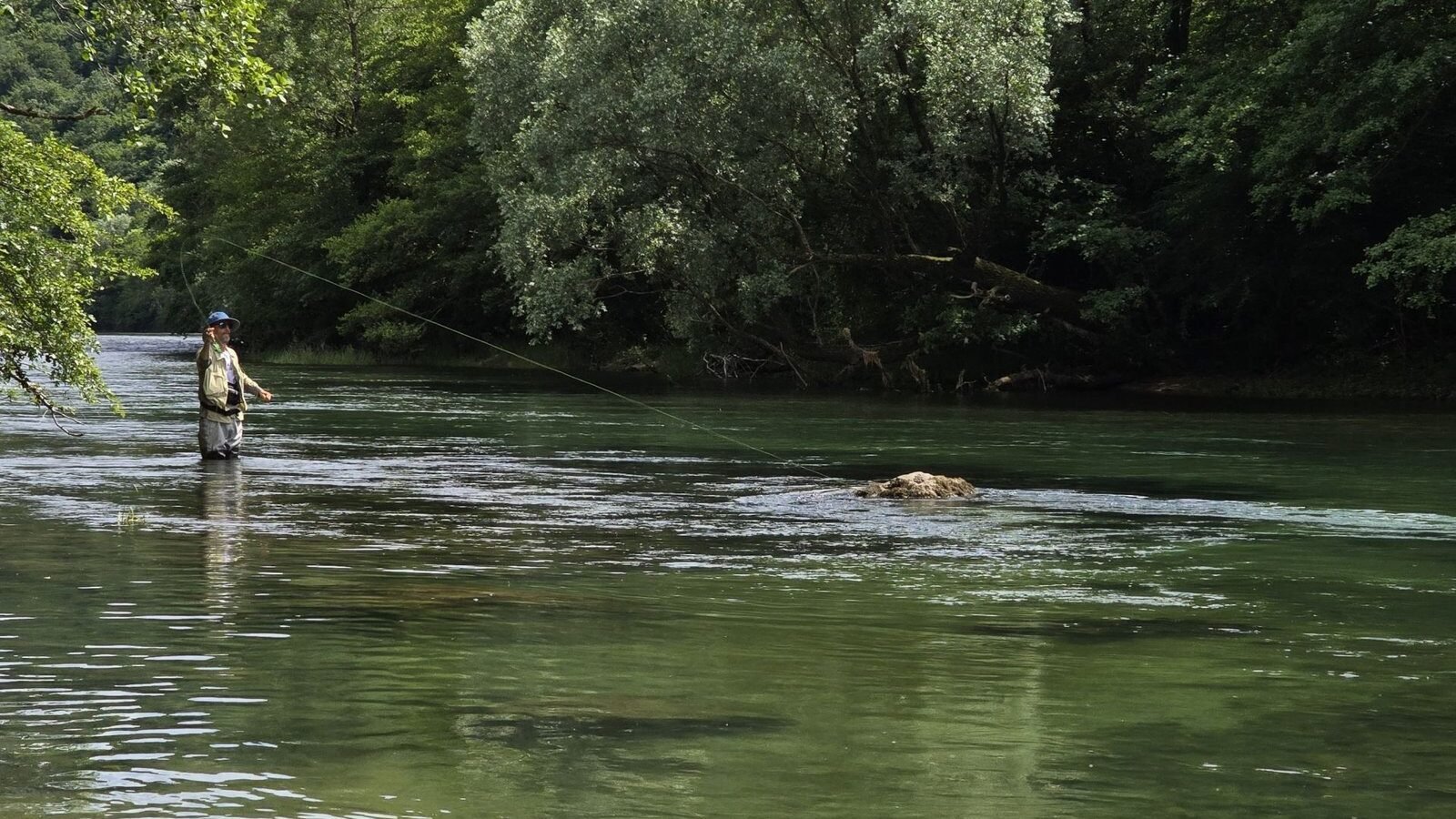
Fishing Bosnia’s small streams demands a different approach: moved by stealth and patience. Fish here are easily spooked, so slow, deliberate wading and soft-footed steps are essential. Keep low, use long, quiet casts, and work pockets and undercuts with short, accurate presentations rather than long false casts. Change angles frequently to avoid casting into fish line of sight, pause between casts to let the water settle, and minimize shadowing by staying in cover where possible. Gear choices should favor light rods, fine tippets, and small flies to reduce splash and increase subtlety—success often comes from staying unseen as much as from perfect presentation.
CANYON WATERS
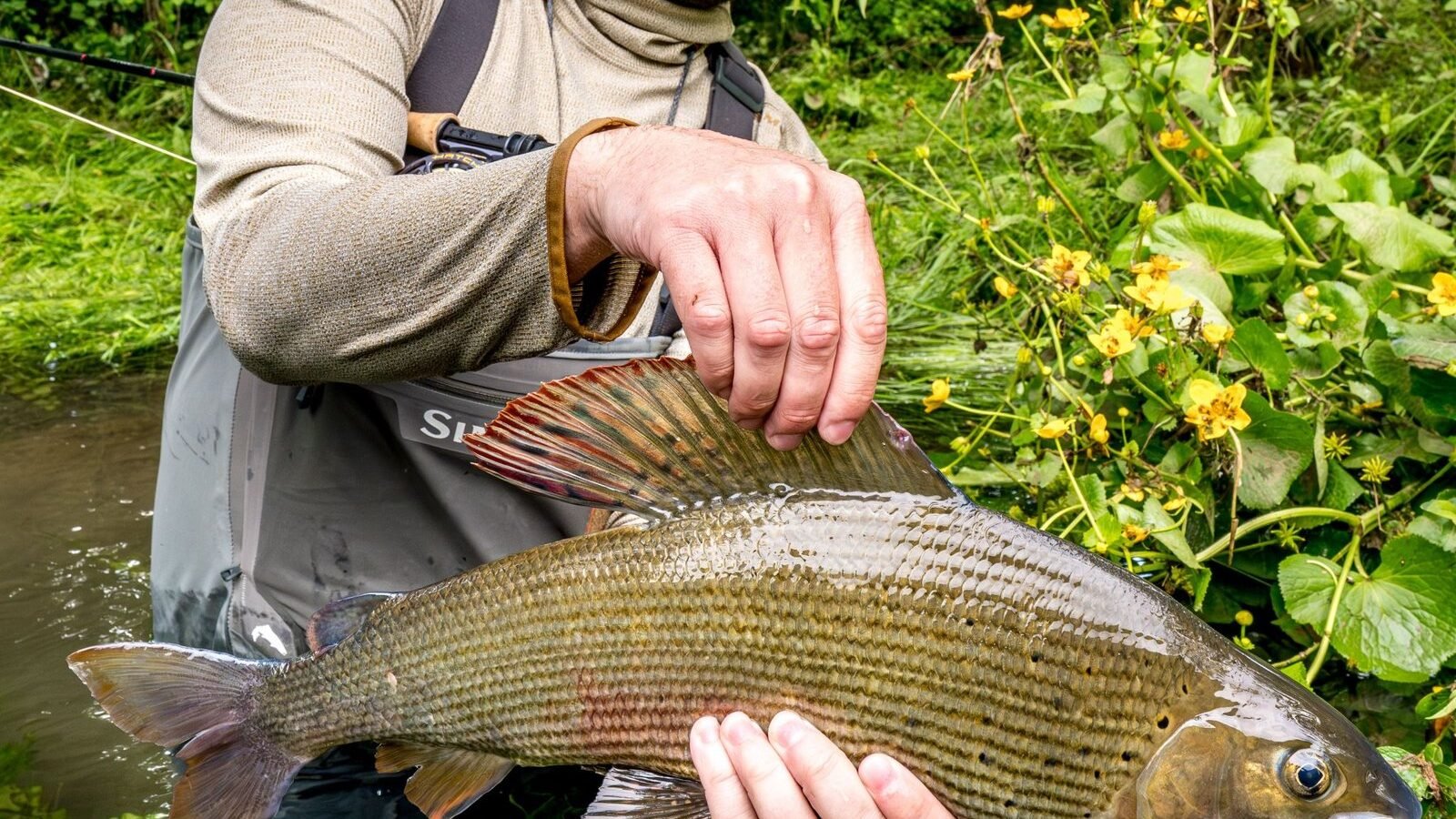
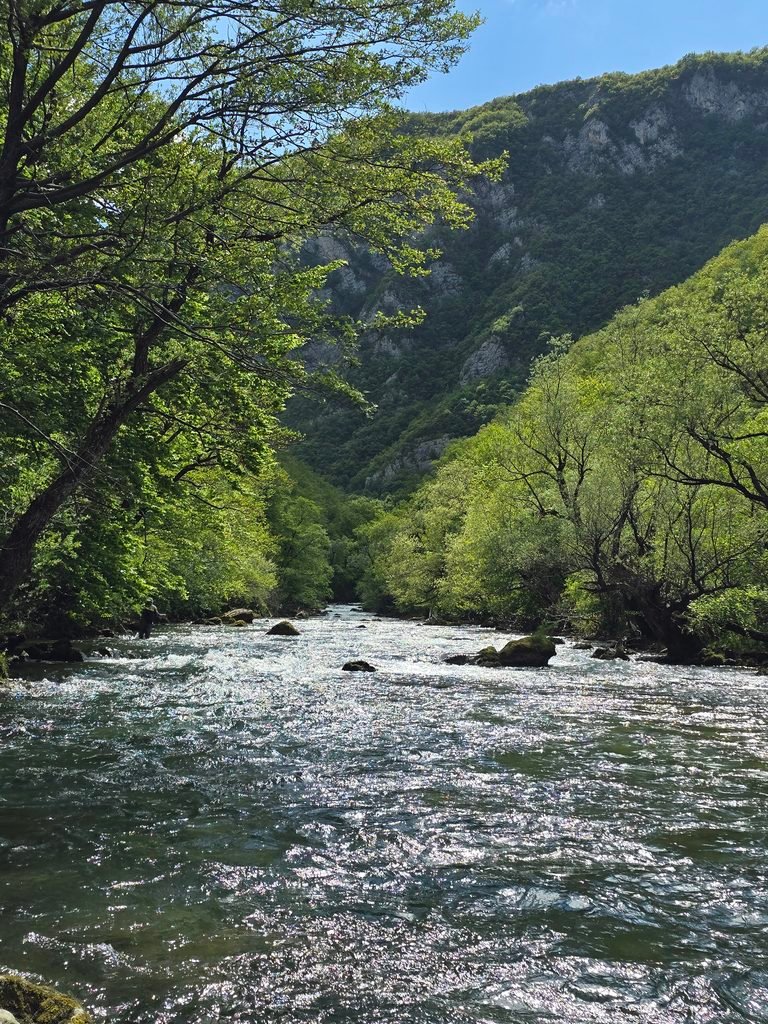
Bosnia’s river canyons combine dramatic scenery with superb fishing. Narrow gorges, limestone cliffs, and fast, crystal-clear runs create prime habitat for wild grayling and brown trout. These waters reward precise, short presentations along pocketed seams, plunge pools, and undercut banks where fish hold in current seams and shaded lies.
The beauty comes with a price: access can involve steep, rocky trails, river scrambles, and wet crossings. The clear water makes fish easily visible and easily spooked, so approach slowly, use low silhouettes, and plan for longer hikes and careful route-finding. For anglers who relish rugged terrain and silence broken only by water, canyon streams deliver unforgettable days — but they’re not for everyone.
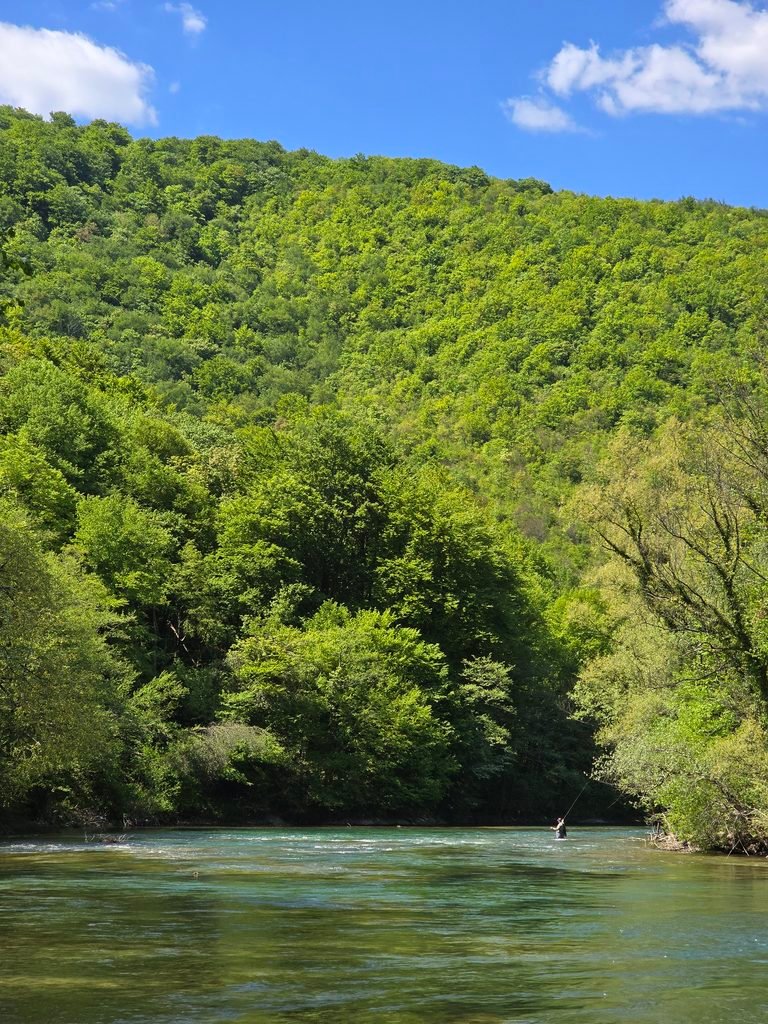
TECHNIQUES FOR SMALL STREAMS
Euro nymphing is the go-to method on Bosnia’s small, wooded streams. Its tight-line, no-indicator approach lets you fish deep seams and pocket water without long backcasts—crucial where trees and bushes hem the banks. Use slim, weighted nymphs or micro beadheads, light fast-action rods (2–4 wt, 9–10 ft for reach), and fine tippets (5–6X) to detect subtle takes.
Dry-dropper is equally effective: a small dry (caddis or mayfly imitation, sizes 16–20) paired with a dropper nymph covers surface interest and subsurface feeding. Wild brown trout in low-pressure headwaters often aren’t selective; they’ll rise to a small terrestrial, caddis, or mayfly, or take the dropper below.
Where canyons open up, traditional dry-fly fishing and longer casts become possible—short, accurate upstream casts into pockets and seams will trigger visible rises. In all situations, work upstream to avoid spooking fish, change angles frequently, and favor short, precise presentations over long false casts.
EQUIPEMENT
For tight, tree-lined headwaters, keep rod length to a maximum of 10 ft; a 9 ft rod is often the best choice because it offers reach while remaining maneuverable in confined space. In more open canyon sections, any rod length and weight appropriate for the water can be used.
Always carry a small backpack with a spare rod and a spare reel — hikes to remote streams can be far from the car, and a mechanical failure should not end your day. Include basic repair items (leader material, knots tools, extra tippet), a small first-aid kit, and some lightweight food and water for the hike.
GUIDED WILD – STREAM ADVENTURES
Our agency offers guided trips into these remote streams and canyons. We fish these waters regularly and know the routes, the best pockets, and how to move quietly through sensitive terrain. While most anglers choose easier, busier beats, we specialize in solitude—many of the places we visit see only a handful of anglers each year.
We also accommodate clients who enjoy keeping a small number of fish for the table. In these low-pressure waters it is possible to take 2–3 trout that meet or exceed the legal minimum length; we always follow local regulations and encourage selective, sustainable harvesting. Preparing a fresh trout at the river—cleaning and cooking simply over a fire or stove—adds a memorable, primal dimension to the day and is a highlight many clients cherish.
Trips are tailored to skill level and preference: full-day hikes into narrow headwaters for experienced, mobile anglers, or easier canyon stretches for those who want dramatic scenery with less strenuous access. We emphasize leave-no-trace ethics, proper handling, and respect for nature.