Introduction
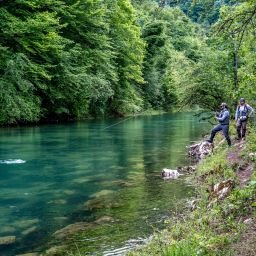
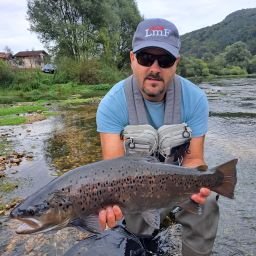
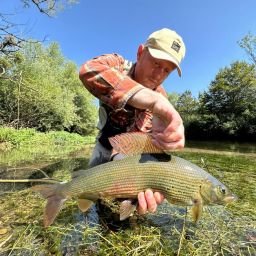
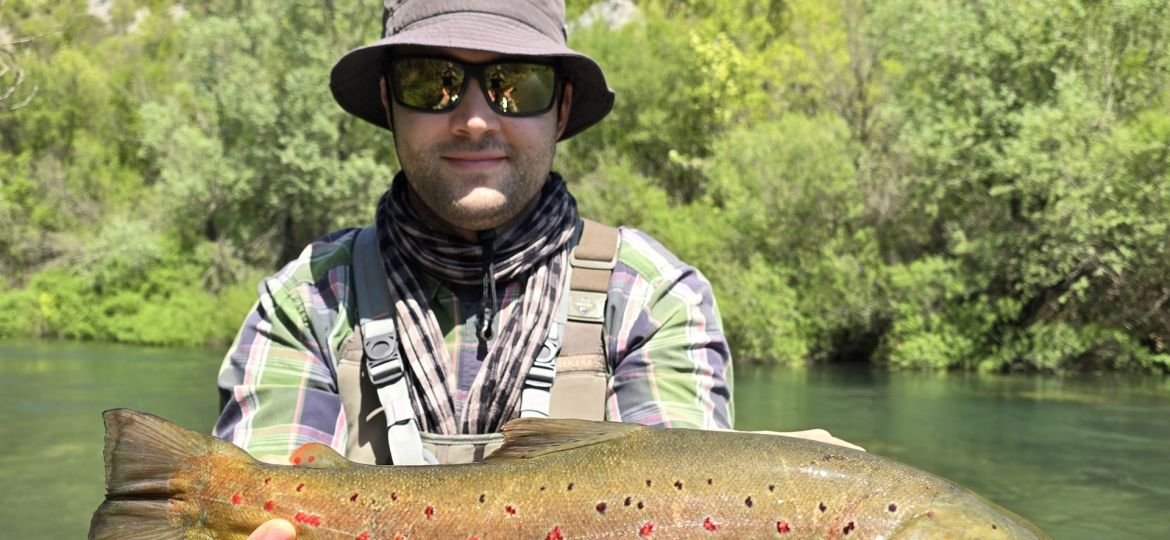
Spring is one of the most popular times for fly fishing in Bosnia, as eager anglers flock to the rivers and streams in pursuit of the legendary brown trout. This enchanting season brings about significant insect hatches, transforming the waters into a feeding frenzy as big brown trout rise to the surface, ready to take advantage of the abundant food supply. With picturesque landscapes as a backdrop, fishing during this time offers an exceptional opportunity to catch trophy-sized trout while experiencing the beauty of Bosnia’s natural environment.
Understanding Brown Trout Behavior in Spring
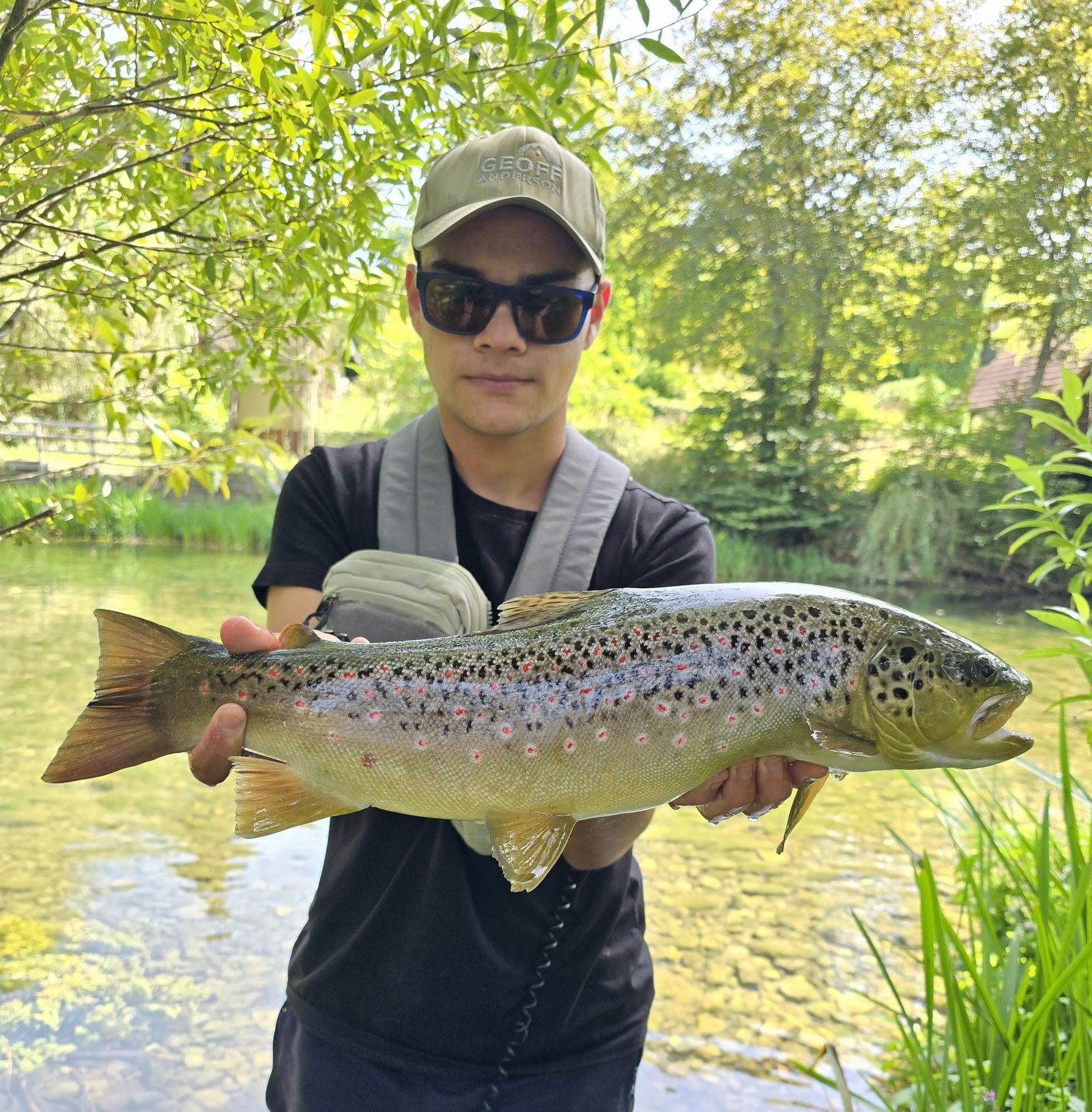
In spring, rising temperatures play a critical role in brown trout behavior, prompting them to become more active and aggressive. As the days grow warmer, significant insect hatches occur, which attract big brown trout to the surface. With an abundance of mayflies, caddisflies, and stoneflies, the rivers become bustling with life, providing a rich food source that entices large trout to feed. Spring thus represents the perfect time for anglers to take advantage of this heightened activity and target these impressive fish during their most active feeding period.
Choosing the Right Dry Flies
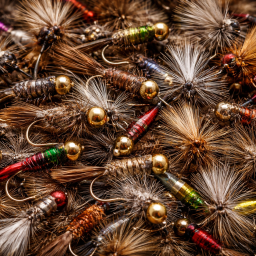
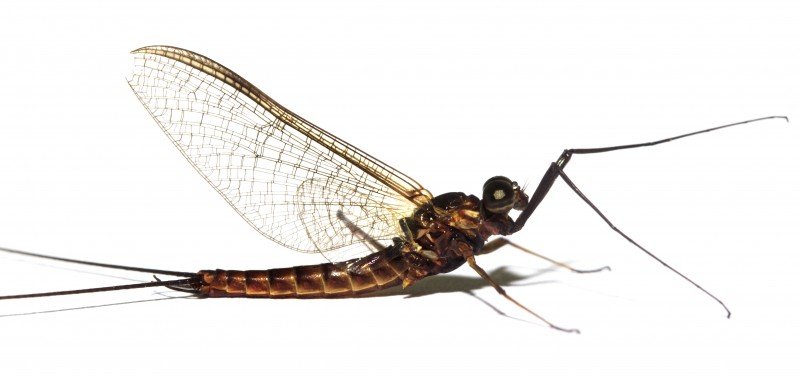
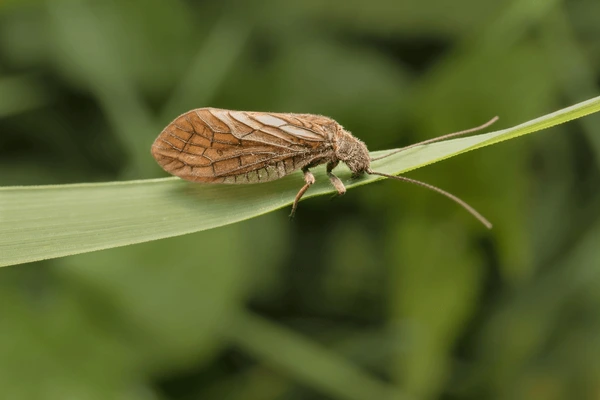
During this period, there is usually a significant hatch of caddis, red spinners, and stoneflies. The most important strategy is to observe the river and the rises of the fish. Often on the Ribnik River, you might witness a big trout rising, only to find that it ignores your stonefly or red spinner. In these moments, closer observation reveals that the trout may be feeding on small caddis insects that are jumping on the surface.
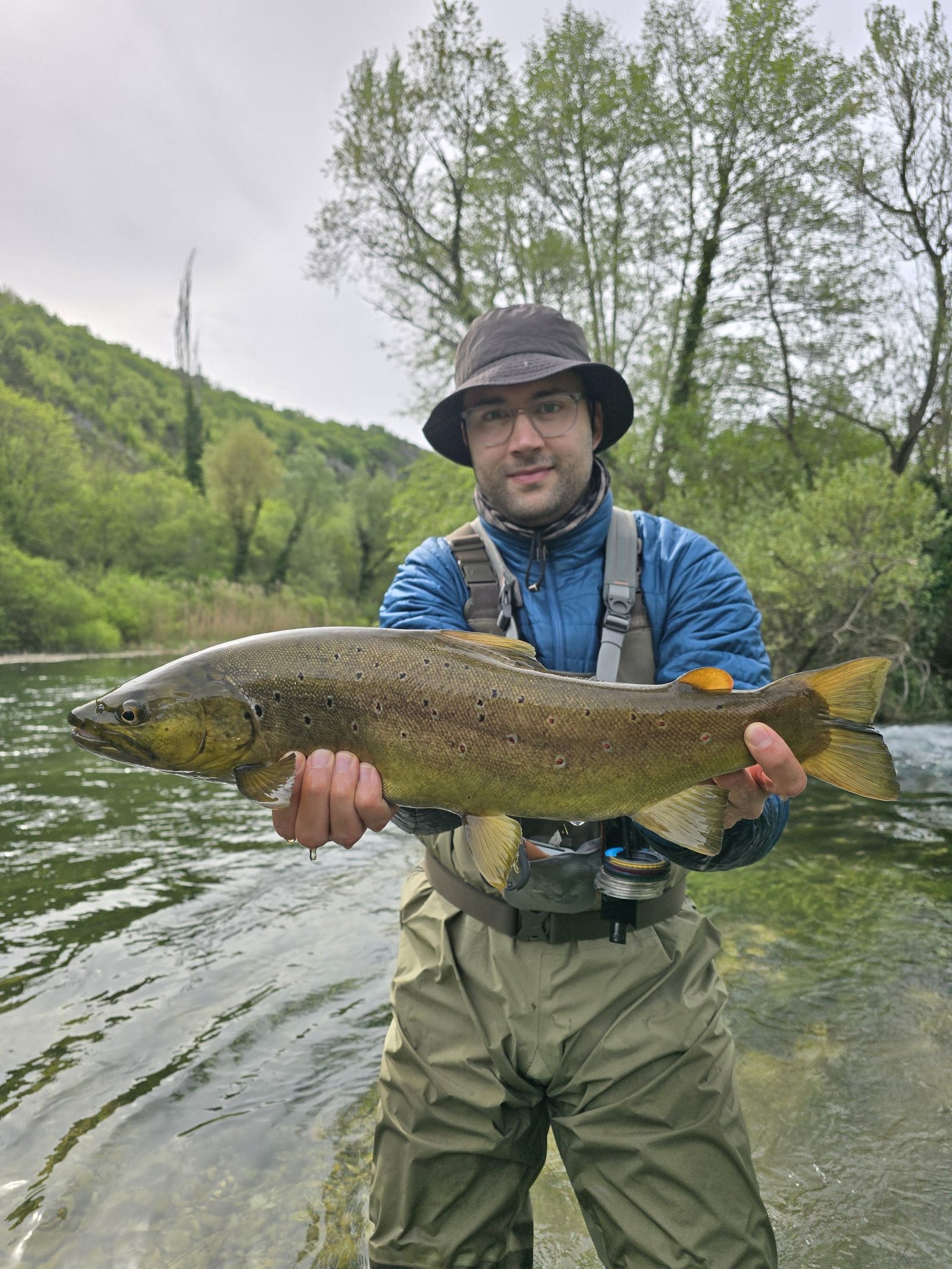
In rivers experiencing a large variety of hatches, careful observation before casting is essential. For caddis and red spinners, flies are typically sized 10 to 14, while stoneflies can be as large as size 4. Fishing with large stoneflies is particularly attractive in Bosnia, as the rises on these patterns can be exceptional, allowing anglers to catch trout up to 70 cm in length.
When it comes to caddis and red spinners, presentation often takes precedence over pattern. These insects exhibit specific behaviors on the water’s surface that attract the attention of trout. Skating the caddis can often entice the trout to take; however, if the fish does not react within the first few casts, it’s best to stop this technique. Repeatedly casting in the same spot can potentially spook the fish, so it’s important to be mindful of your approach to avoid losing the opportunity.
Just before dusk, as spinners begin to die, using a spent version can prove to be an extremely effective tactic.
Approaching the River and Finding Locations
Even though many anglers want to catch a big trout on dry flies, we often encounter people who claim they did not catch anything or even see any rises. In our experience, the key lies in your approach to the river as well as choosing the right location. Big trouts will often rise In the edges, as well under overhanging trees.
The rises can be very gentle, leading some fishermen to mistakenly think they are observing smaller fish. Yet, we’ve consistently found that the largest trout we’ve caught—and those of our clients—came from subtle rises that are easily overlooked. Riffles are another excellent location to focus on. If you come across a riffle,try stopping for a few minutes to watch for any rises. Rises in riffles tend to be more splashy and pronounced, making them easier to spot.
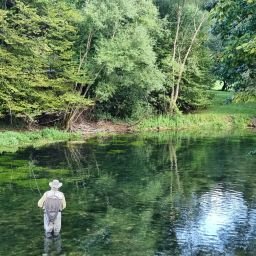
When you spot a rise, your approach becomes critical. Depending on your skill levels, you decide whether to stay low and cast upstream to the fish or take a different approach. It’s important to remember that these big fish are very cautious. A single bad cast can be enough to spook them. You can have success by standing about 20 meters upstream of the fish and casting down if you are confident in achieving a good drift and not spooking the fish.
This technique works particularly well in our favorite rivers like Ribnik or Pliva; however, for smaller streams, we always recommend casting upstream. When entering the water, we make sure to avoid creating waves and walk slowly to minimize disturbance. If we notice a fish rising consistently, we sometimes hold our position and wait for it to rise a few more times. We’ve experienced instances where a fish stops rising as soon as we wade into the river, even though it remains in the same spot. A well-timed wait can make all the difference, as the fish might start rising again, offering us the perfect opportunity to make our cast.
Gear Recommendations
For fly fishing for big brown trout with large dry flies, we recommend using rods that are between 9 and 9’6 feet in length, with a line weight of #4 to #6. This rod length provides the ideal leverage for fighting larger fish while maintaining the sensitivity needed for precise casting. Precision is vital in this type of fishing, so it’s essential to choose a rod that you feel most confident in.
When it comes to leaders, the longer, the better. We typically use leaders around 12 feet long with thicker butt sections, which help turnover bigger dry flies more effectively. For tippets, monofilament sizes ranging from 3X to 5X work perfectly. If you find yourself fishing a tricky stretch with numerous obstacles, opting for a 3X tippet can give you the power needed to control a fish and prevent it from heading into danger. Conversely, in clearer stretches where visibility is key, a 5X tippet is generally sufficient.
Conclusion
In conclusion, fly fishing for big brown trout in Bosnia during the spring is a thrilling experience that every angler should cherish. With the arrival of significant insect hatches and the chance to catch trophy-sized trout, the rivers of Bosnia, such as the Ribnik and Pliva, become prime locations for this sport. By understanding the behavior of brown trout, choosing the right dry flies, and employing strategic techniques when approaching the water, anglers can greatly enhance their chances of success.
Investing in the right gear, such as appropriate rod lengths and tippet sizes, is essential for battling these magnificent fish with confidence. With our tips and insights, you’ll be well-prepared for your next fly fishing adventure in Bosnia. Whether you’re a seasoned angler or a novice, the stunning landscapes and the rich variety of fishing opportunities make Bosnia a premier destination for fly fishing enthusiasts. Plan your trip today and discover the unmatched thrill of catching big brown trout in this beautiful country.