Introduction
The world of fly fishing can be overwhelming, especially for new anglers faced with countless fly patterns in shops and online. Many anglers believe that to be successful, they need a vast collection of every type of pattern available. However, the reality is that you don’t need an extensive arsenal to have a productive day on the water. In fact, focusing on a select few patterns that can imitate a wide array of insects is often the more effective approach.
The Reality of Successful Fishing
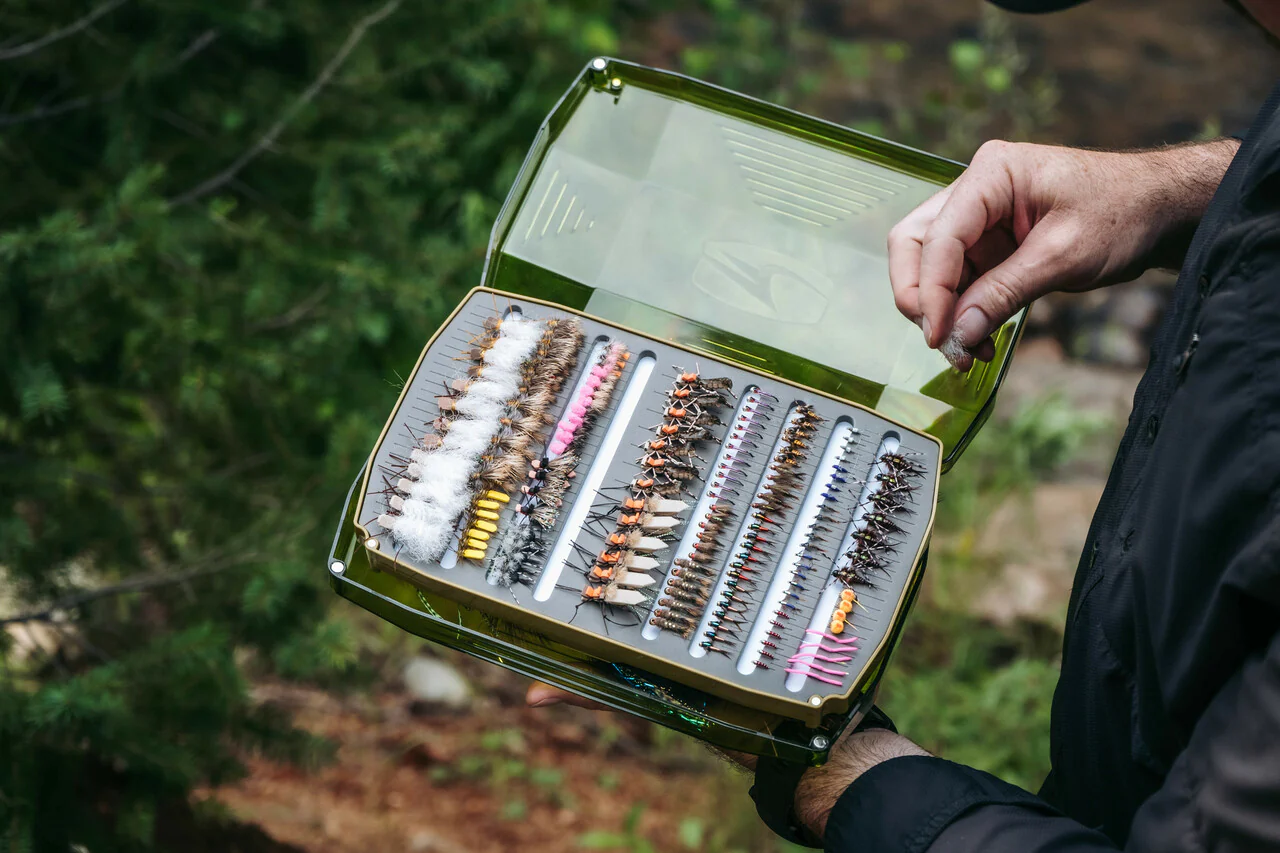
While it may seem beneficial to have a diverse selection of flies, the truth is that successful fishing often hinges on a handful of well-chosen patterns. Instead of trying to cover every possible scenario, anglers should focus on a few versatile patterns that can effectively reproduce the types of insects prevalent in their fishing locations.
The Power of Classic Patterns
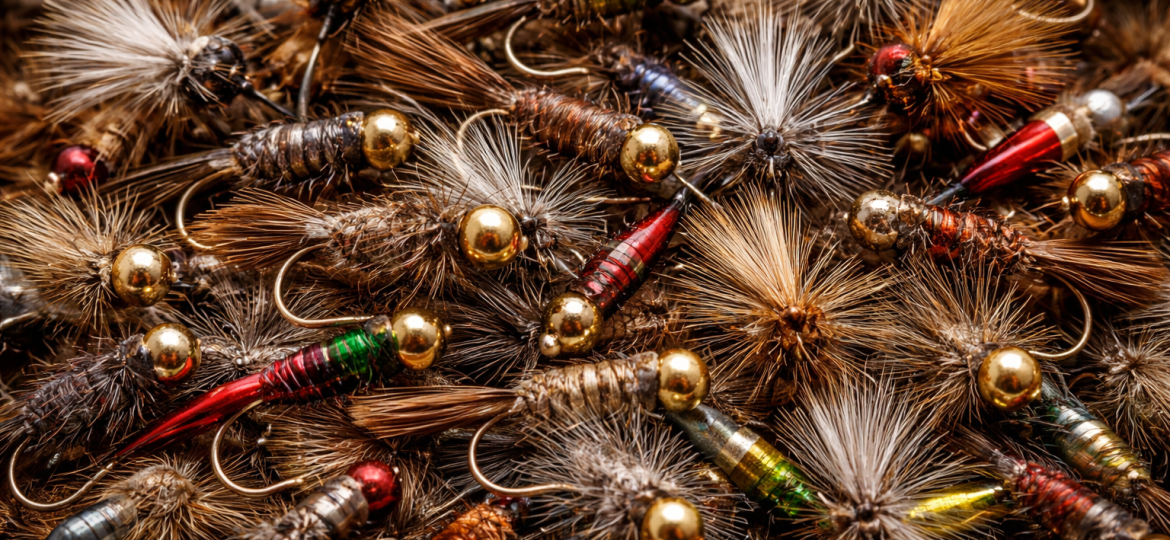
Among the many patterns available, the Pheasant Tail and Hare’s Ear are two of the most popular and effective options. You’ll find these patterns mentioned in nearly every article about fly fishing, and for good reason. Their effectiveness worldwide is undeniable. These flies can effectively imitate various insect life stages, making them incredibly adaptable.
- Pheasant Tail: This nymph pattern mimics a variety of mayflies and can be incredibly effective due to its imitative quality and subtle colors.
- Hare’s Ear: Similar in versatility, the Hare’s Ear pattern effectively represents both nymphs and emergers, attracting a wide range of fish species.
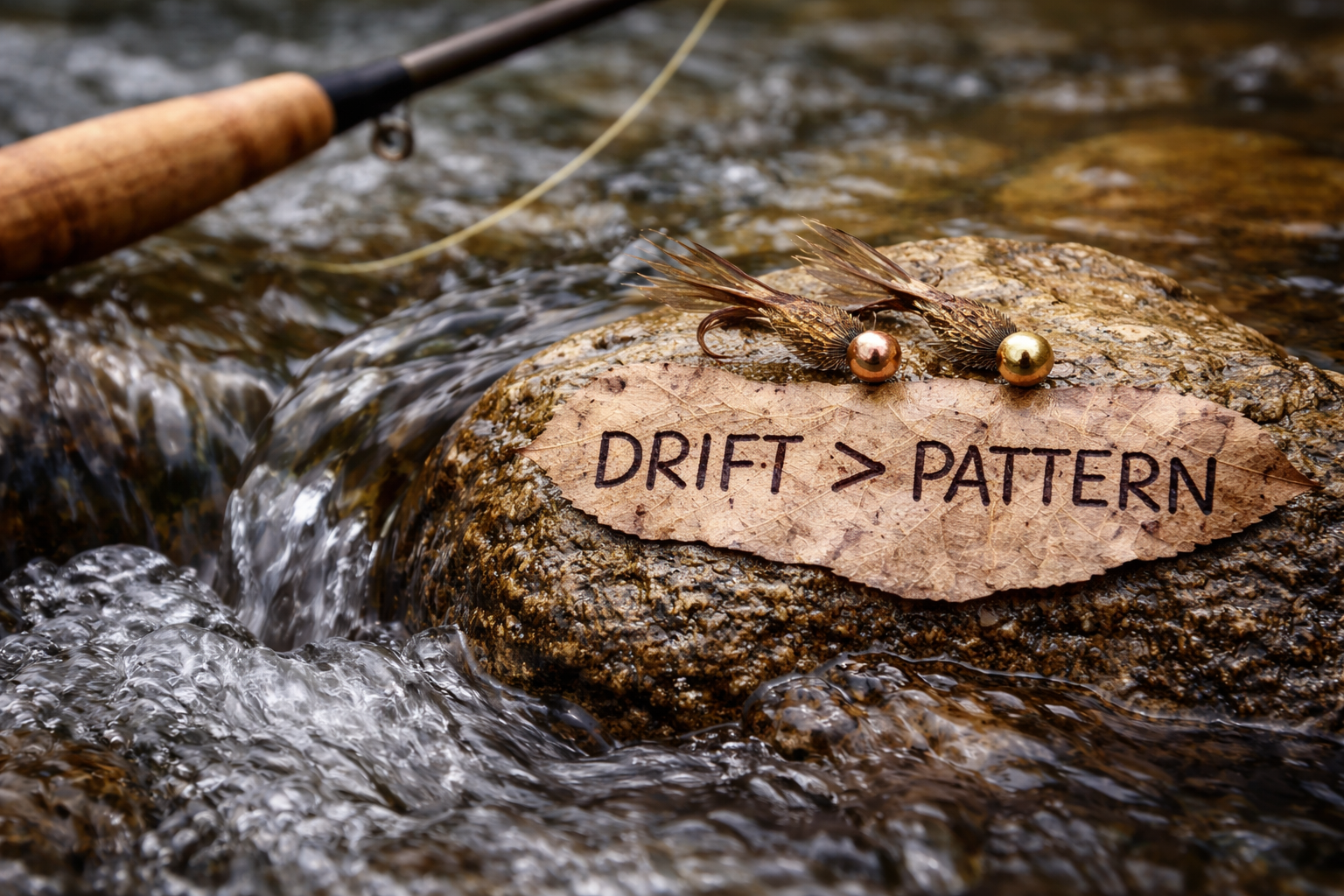
Presentation is More Important Than the Pattern
While having the right patterns is essential, the presentation of those patterns often plays an even more critical role in successful fishing. A perfectly tied fly can go unnoticed if it’s not presented correctly. Here are key aspects of fly presentation to consider:
- Drift: The way your fly moves with the current can make or break your chances. A natural drift without drag is essential in enticing fish to strike.
- Casting Technique: A smooth, accurate cast ensures that your fly lands softly on the water, mimicking the natural entry of insects and avoiding spooking fish.
- Line Management: Keeping a tight line while allowing for a drag-free drift can significantly improve your presentation. Mending your line correctly to counter the current ensures your fly behaves like a natural insect.
- Adjusting Depth and Speed: Depending on the situation, you may need to adjust the depth at which your fly is presented. Additionally, manipulating the retrieve speed can mimic the behavior of hatchlings or emergers.
Key Factors Beyond Quantity
While choosing effective patterns and focusing on presentation is crucial, it’s also important to consider other factors that can enhance your chances of success:
- Size Matters: Often, the size of your pattern is more impactful than the type you choose. Fish can be selective, especially in clear water. Ensuring you have the right size to match the current hatch can make all the difference.
- Weight of the Pattern: When nymphing, the weight of your fly plays a significant role in getting it to the correct depth. Adjusting the weight can help you target fish in different water columns.
- Color of the Bead: The color of the bead on your nymph can also influence its effectiveness. Bright beads may attract fish in murky waters, while more natural colors can be more effective in clear conditions.
Insights from Experienced Anglers
Our team includes guides who are also competitive anglers, having participated in numerous world championships across various fishing destinations. Through their extensive experience, they’ve found that often, you can catch fish using just a few standard patterns in nearly every location. This reinforces the idea that you don’t need an overwhelming selection; rather, a few well-chosen patterns used effectively can yield great results.
Conclusion
In the end, successful fly fishing is not about the number of patterns in your box but the quality and versatility of the few you choose. By focusing on classic, effective patterns like the Pheasant Tail and Hare’s Ear, and considering factors such as size, weight, bead color, and—most importantly—presentation, you can simplify your approach and increase your success on the water. So, embrace the less-is-more philosophy, and watch as your confidence and catch rates improve with a more streamlined selection of fly patterns.