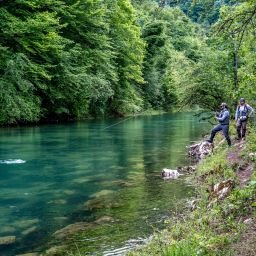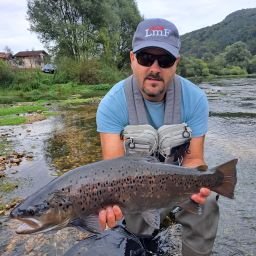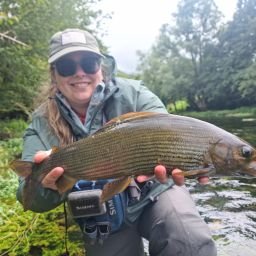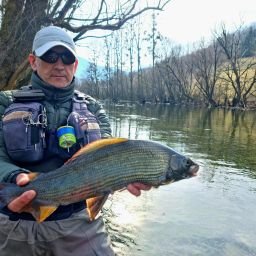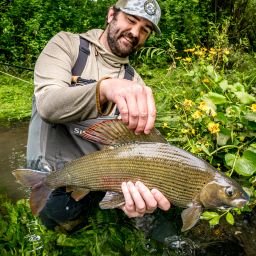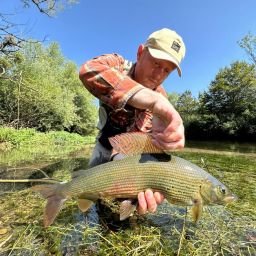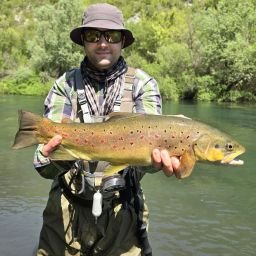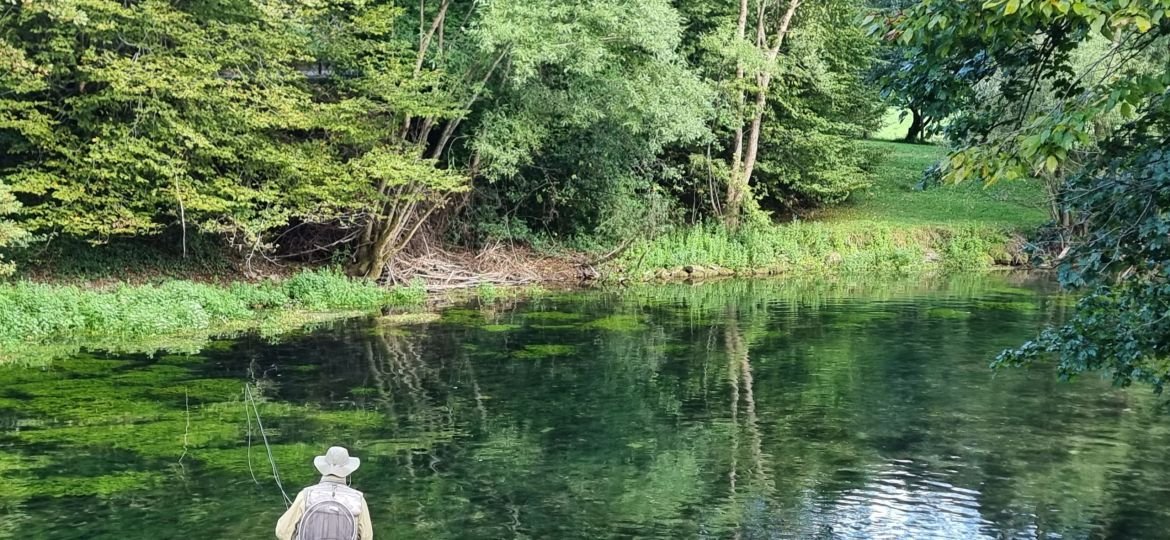
Fly fishing in Bosnia offers anglers a unique opportunity to experience stunning scenery and rich biodiversity throughout the year. As one of the premier fishing destinations in Europe, Bosnia’s rivers provide incredible conditions for grayling fishing in Bosnia as well as excellent opportunities for targeting trout species. Understanding the seasonal changes can enhance your experience and increase your chances of success during your fly fishing trips in Bosnia. In this article, we’ll explore what to expect from each season of fly fishing in Bosnia, focusing on the best species to target and effective techniques to use.
Early spring marks the exciting start of the fly fishing season in Bosnia. As temperatures rise, insect hatches become more frequent and last longer, creating prime feeding conditions for fish. This season is particularly notable as brown trout have finished their spawning cycle and begin to feed more actively, presenting excellent opportunities for anglers to catch larger specimens.
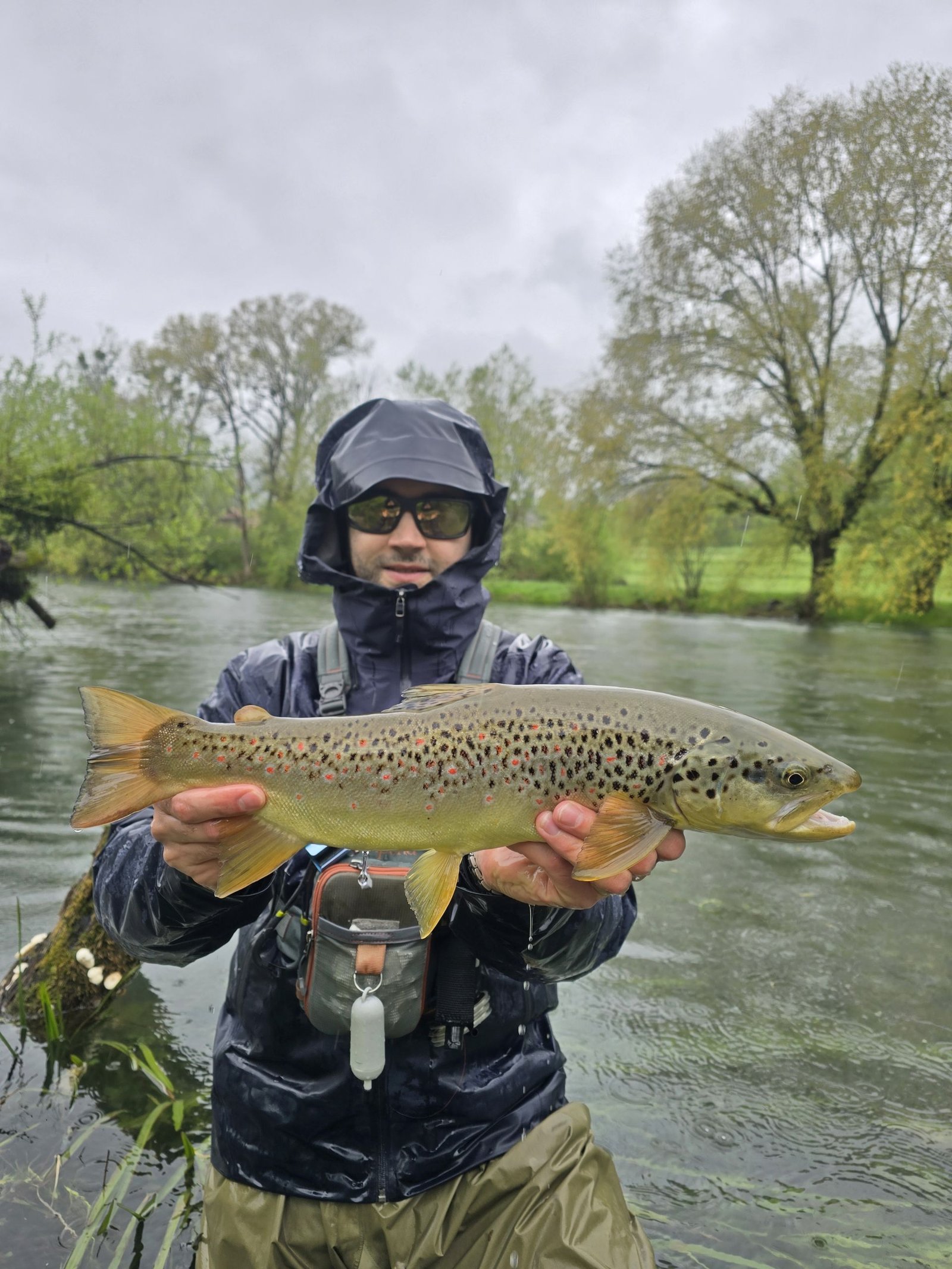
During early spring, grayling are in their spawning phase, which means it’s best to avoid targeting them to ensure their population is supported during this vital period. However, by mid-April, many grayling will have completed their spawning, making them easier to target as they start to feed again.
At this time of year, anglers can successfully use larger fly patterns or streamers to entice brown trout. The reduced fishing pressure from the winter months can lead to fish being more receptive to presentations, resulting in higher catch rates. Early spring is a perfect opportunity to experiment with various fly patterns and techniques, as fish are more likely to respond positively after their break from angling activity.
One of the significant advantages of early spring fishing in Bosnia is that the rivers are generally less crowded. With many casual anglers waiting for warmer weather, those who prefer to fish in solitude can enjoy a more peaceful experience on the water. This tranquility allows for greater focus on technique and can lead to more successful fishing days, as fish are less spooked by the presence of multiple anglers.
For dry fly enthusiasts, early spring presents an excellent opportunity to connect with actively feeding fish, as they tend to be less selective during this time. As water temperatures rise and insect activity increases, trout begin to rise to the surface more frequently.
- Emerging Insects: During early spring, smaller mayflies are among the first to hatch, providing ideal targets for hungry trout. Anglers can successfully imitate these emerging insects with a variety of patterns, allowing for exciting surface action.
- Caddisflies Activity: Additionally, caddisflies start to become active near the end of early spring, creating further opportunities for dry fly fishing. As caddis emerge and dance on the water’s surface, trout eagerly feed, often creating a frenzy of rising fish.
- Experimentation: With fish being less selective and actively feeding on smaller hatches, this is a fantastic time for anglers to experiment with various dry fly patterns and techniques. Whether you’re casting small mayflies or soft-hackled caddis patterns, the early spring season in Bosnia is perfect for those looking to enjoy the thrill of dry fly fishing in a beautiful, vibrant setting.
- Active Feeding Conditions: Early spring leads to increased fish activity as temperatures rise.
- Grayling Spawning: Targeting grayling is best avoided until mid-April to support their spawning.
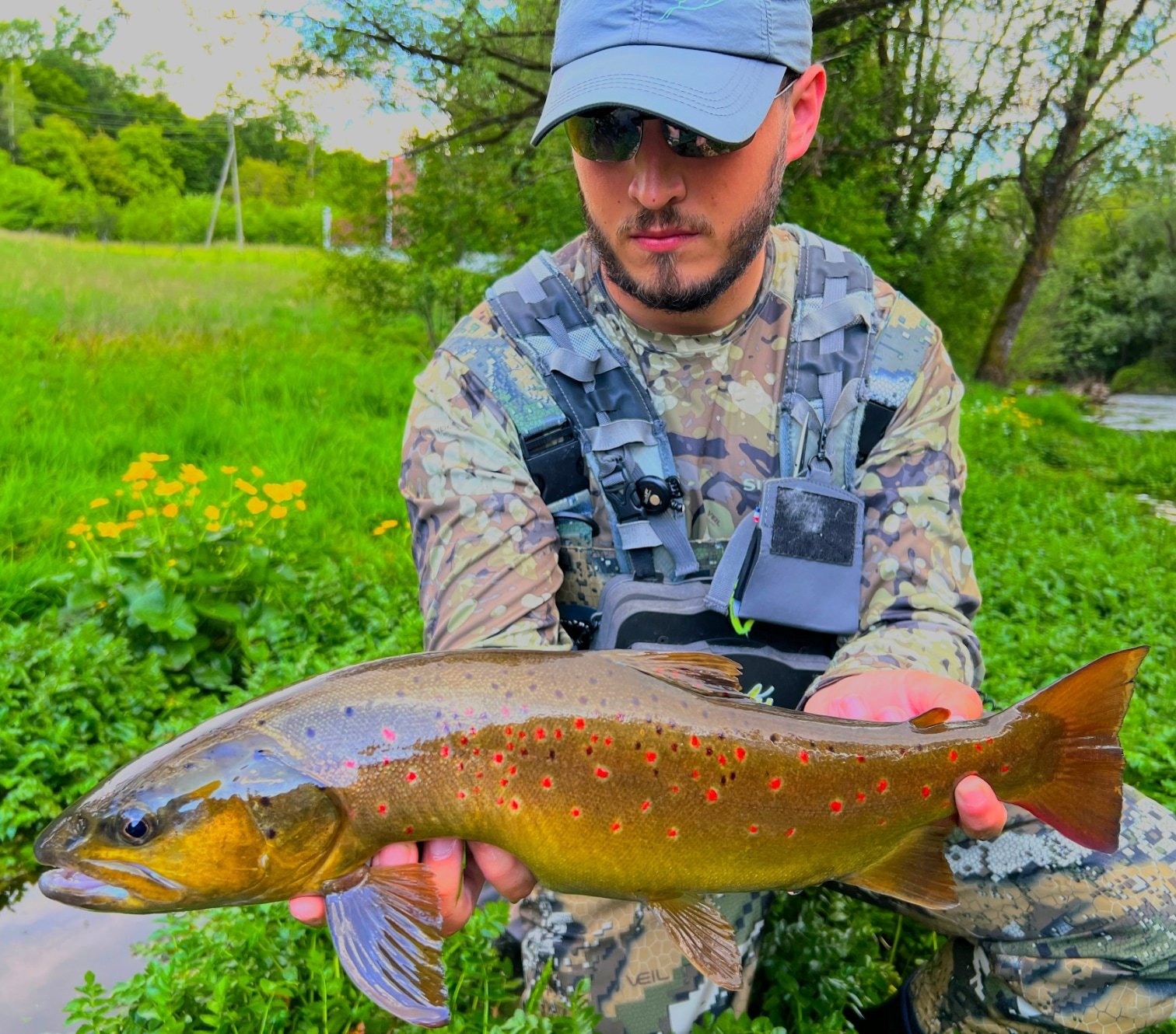
- Larger Brown Trout: Higher chances of catching larger brown trout as they become more active after spawning.
- Less Crowded Rivers: Early spring days offer a tranquil fishing experience with fewer anglers on the water.
- Exciting Dry Fly Fishing: Early spring offers less selective fish feeding on smaller mayflies, with caddisflies becoming active toward the end of the season.
- Variety of Techniques: Anglers can explore different patterns and techniques, including larger streamers and dry flies, for more effective fishing experiences.
Late spring is regarded by many anglers as the best part of the fishing season in Bosnia. During this time, the rivers come alive with a stunning variety of insect hatches, creating prime conditions for both dry fly fishing and nymphing.
As temperatures warm and the days lengthen, hatches become prolific, featuring a wide array of insects that attract hungry fish. Anglers can expect to encounter:
- Large Spinners: Significant hatches of spinners create an exciting spectacle on the water as trout eagerly rise to feed.
- Stoneflies: Both big and small stoneflies become prevalent, presenting great opportunities for dry fly fishing.
- Mayflies and Caddisflies: A variety of both small and large mayflies, along with numerous types of caddisflies, ensure that there is always something for fish to target.
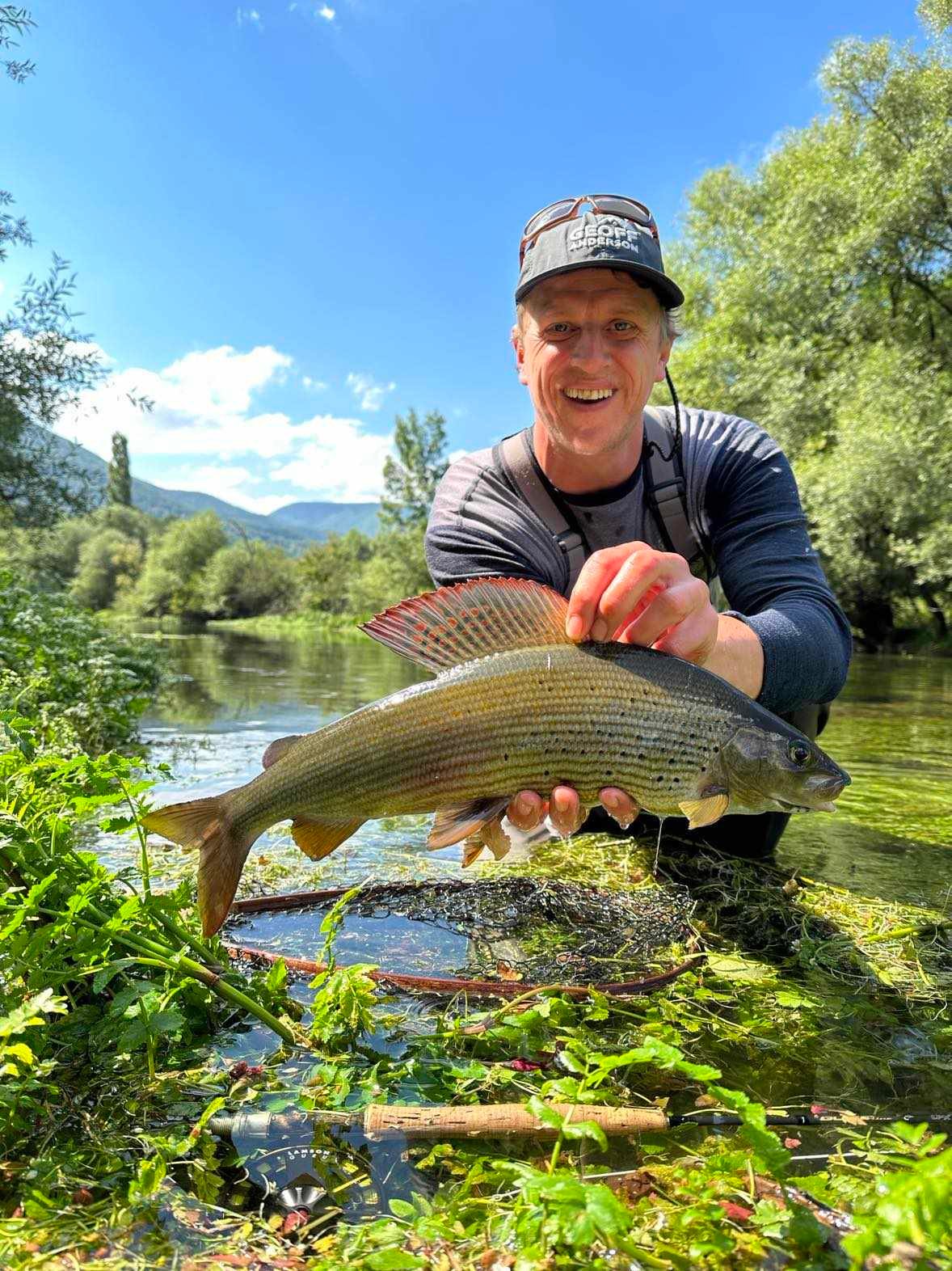
This season is particularly fruitful as brown trout, including the largest specimens in the river, begin to rise for large stoneflies and spinners. With grayling having finished their spawning phase, they also start feeding more regularly, making this an ideal time for anglers looking to target both species.
The duration of fishing activity tends to increase during late spring, providing anglers with more time on the water to capitalize on exciting hatches. Whether you’re fly fishing at dawn or into the evening, there’s plenty of opportunity to catch fish that are actively feeding.
While late spring is the most visited part of the fishing year, Bosnia’s myriad rivers offer plenty of room for anglers to find solitude. With so many fishing locations to choose from, fishermen can easily adapt their plans, exploring different rivers and sections to enjoy a more tranquil experience even during peak season.
- Dry Fly Fishing: The abundance of hatches makes this the top season for dry fly fishing. Anglers should come prepared with a variety of patterns to match the insects on the water, especially spinners and stoneflies.
- Nymphing: Despite the excellent dry fly opportunities, fish are still eating nymphs extensively. It’s wise to incorporate nymphing techniques, especially during peak hatch times when fish may be feeding below the surface.
- Best Time of the Season: Late spring is often considered the prime time for fly fishing in Bosnia due to abundant insect hatches.
- Diverse Insect Life: Expect major hatches, including spinners, stoneflies, mayflies, and caddisflies, creating fantastic surface action.
- Increased Feeding Activity: Trout and grayling become more active, providing excellent fishing opportunities.
- Longer Duration of Fishing: Longer daylight hours allow for extended periods of fishing activity, increasing the chances of success.
Summer in Bosnia offers unique opportunities for fly fishing enthusiasts, as the rivers typically run lower and more stable during this season. This is ideal for anglers who prefer not to contend with fluctuating water levels, which rarely rise significantly due to the lack of rain.
Lower water levels can provide perfect conditions for sight fishing, especially on iconic rivers like Ribnik and Pliva. Anglers can take advantage of clear water to spot actively feeding fish, allowing for a more engaging fishing experience. This season is particularly beneficial for those seeking out trophy grayling, as their visibility increases in the clearer waters.
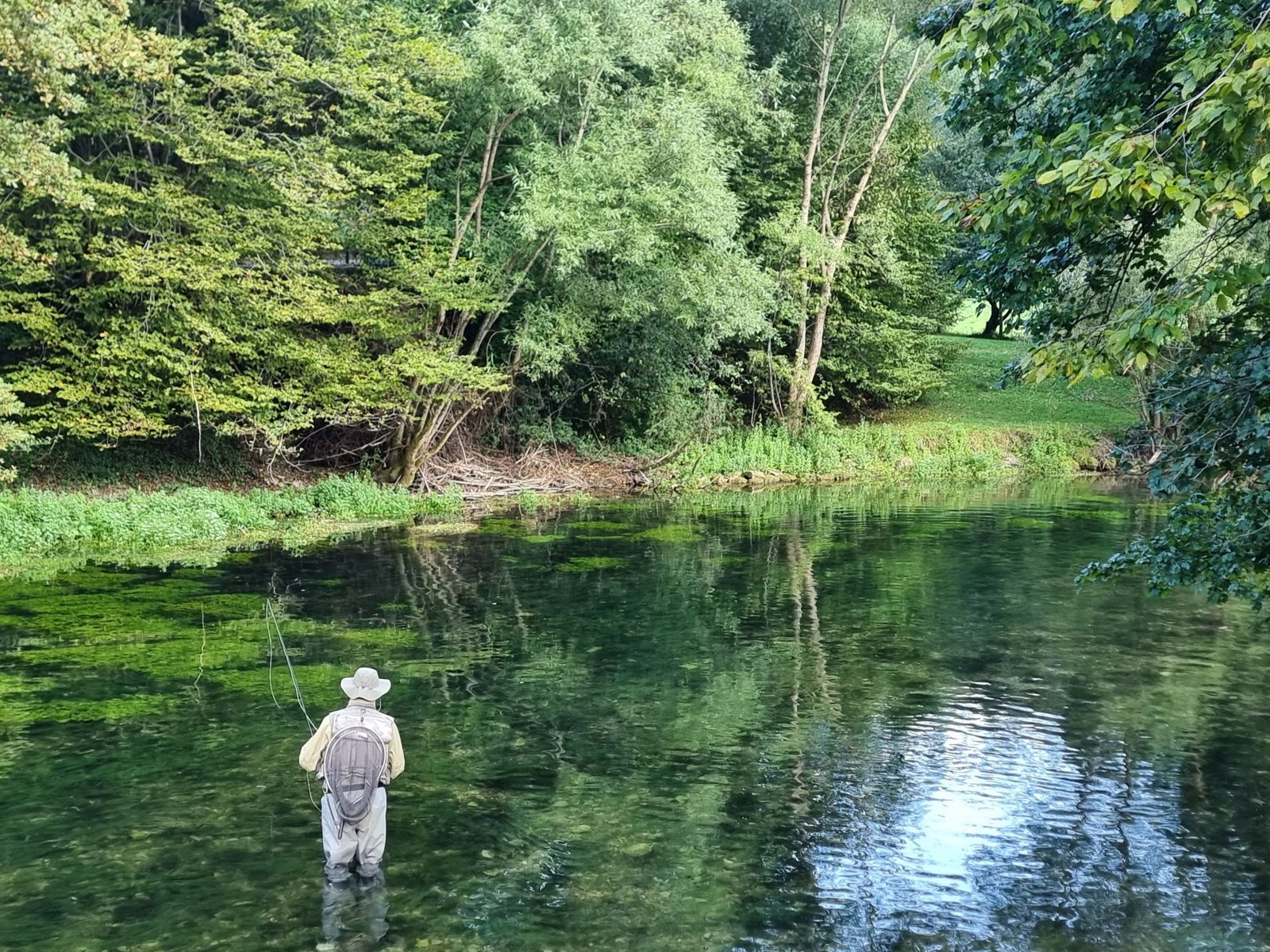
As summer progresses, insect hatches tend to shift to the mornings and evenings, creating prime conditions for dry fly fishing during these times. Anglers can expect to see plenty of rising fish, especially in the cooler, calmer waters of the evening. This daily rhythm offers ample opportunities to target hungry fish as they seek out the hatching insects.
With hotter days and longer hours of sunlight, summer sees fewer anglers on the water compared to the busy months of May and June. This reduction in fishing pressure creates a more enjoyable atmosphere for those who prefer a quieter fishing experience.
Fishing during the summer months can be more technical, as anglers often need to use smaller patterns and thin tippets to effectively match the preferences of selective fish. This added complexity can make the experience more rewarding for those who relish a challenge.
- Small Patterns: Anglers should be prepared to downsize their flies to match the smaller insects hatching during this time.
- Thin Tippets: Using lighter tippets becomes crucial for successfully presenting delicate patterns and enticing wary fish.
- Stable Water Levels: Rivers are generally lower, providing stable fishing conditions with less risk associated with changing water levels.
- Sight Fishing Opportunities: Perfect conditions for sight fishing, especially on rivers Ribnik and Pliva, where trophy graylings are easier to spot.
- Morning and Evening Hatches: Insect activity shifts to mornings and evenings, which leads to more rising fish and exciting dry fly fishing.
- Less Crowded: Summer days offer a quieter fishing experience compared to the busier late spring months.
- Technical Aspect: This season presents a challenge as anglers adopt smaller patterns and thinner tippets to catch more selective fish.
As autumn arrives in Bosnia, cooler weather sets in, creating perfect conditions for an array of insect hatches, particularly small blue-winged olives (BWOs). This season is characterized by some of the most intense hatches of the year, offering anglers almost constant rising fish throughout the day.
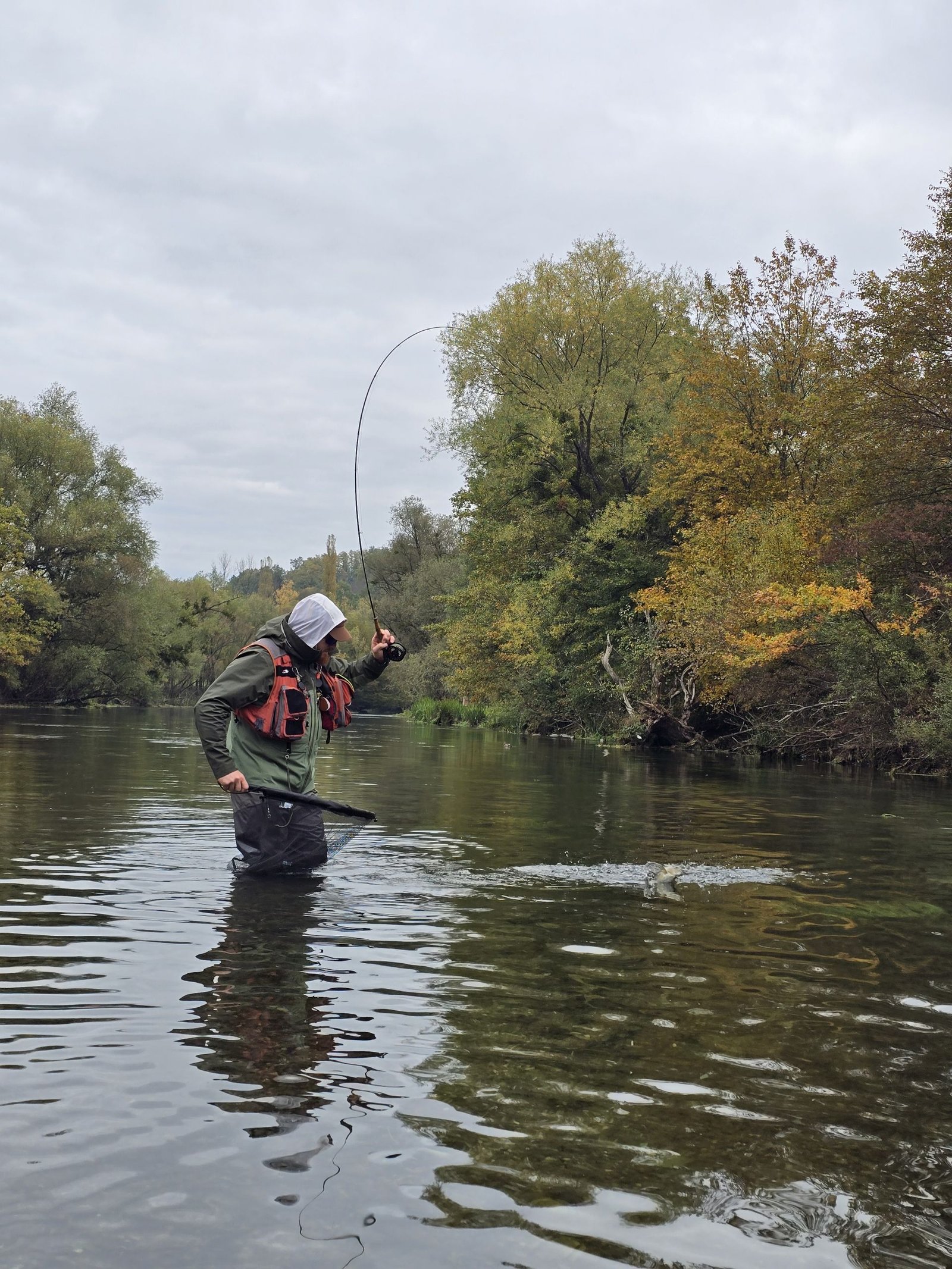
During autumn, the water becomes alive with smaller BWOs, enticing trouts and graylings to the surface for feeding. As the hatches are at their peak, anglers can experience consistent action on the water, with fish actively rising to capture these emerging insects. This heightened activity makes autumn an ideal time for fly fishing.
As trout prepare for their spawning cycle, they increase their feeding activity, providing excellent opportunities for anglers to catch them as well as the trophy graylings on dry flies. While grayling are renowned for their surface feeding during this season, they also eagerly take nymphs, making it a versatile time for various fishing techniques.
During autumn, anglers typically use slightly larger patterns than in summer, though not overly large. Finding the right balance in pattern size is essential for enticing both trout and grayling actively feeding on the surface.
The cooler weather in autumn creates a more pleasant environment for fishing, allowing anglers to comfortably enjoy long hours on the water. The beauty of nature during this time is also remarkable, as vibrant autumn colors enhance the scenery, making your fishing experience even more enjoyable.
When water levels are low, autumn can provide excellent conditions for sight fishing, similar to summer. This added visibility allows anglers to spot fish more easily, and target them effectively.
While there may be more anglers on the rivers during autumn, Bosnia’s numerous fishing locations ensure that fishermen can easily switch between rivers, allowing for a more serene fishing experience. November in particular sees fewer visitors, and fishing during this month can yield outstanding results.
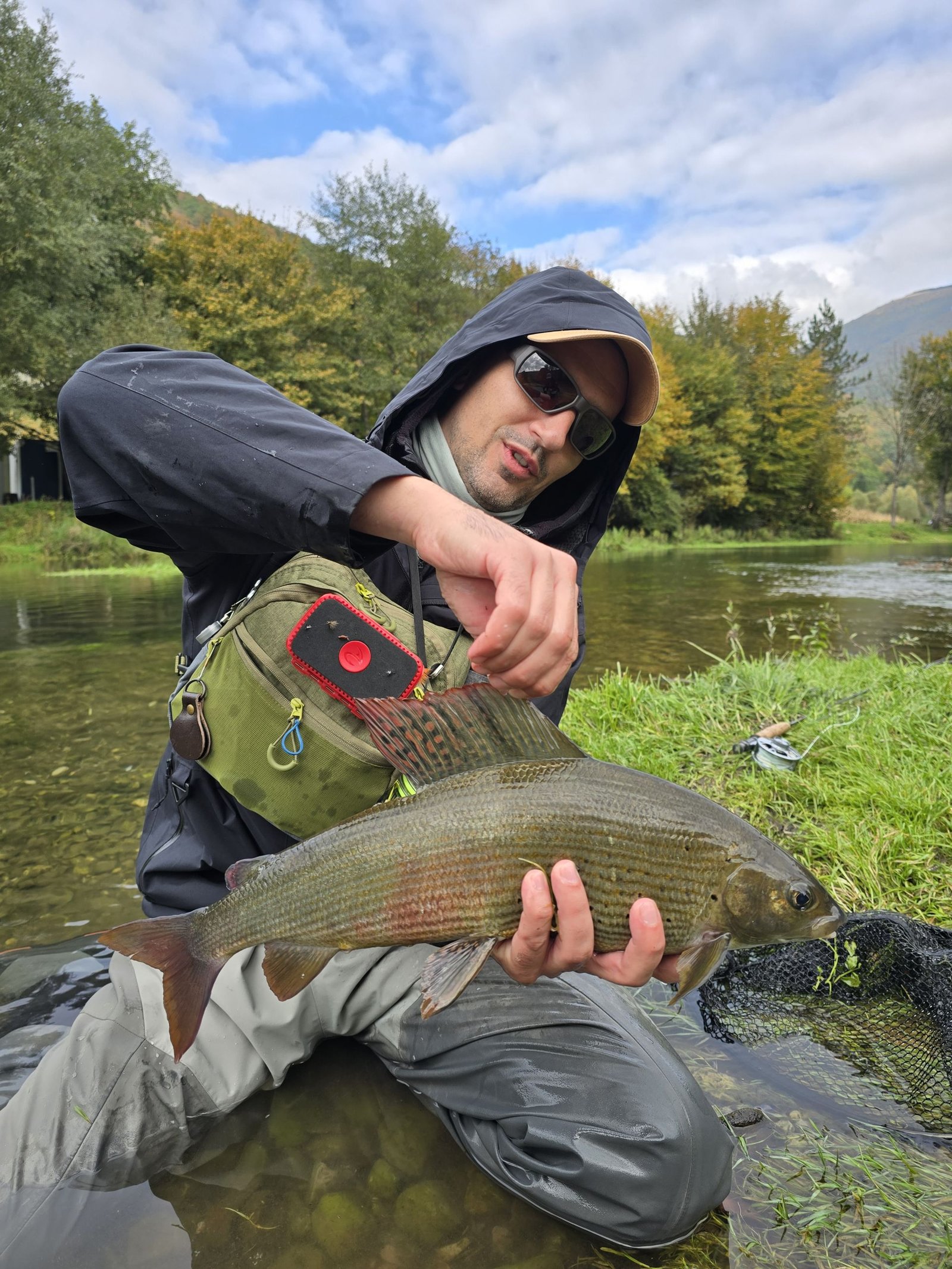
- Ideal Hatch Conditions: Autumn brings intense hatches of small BWOs, leading to frequent rising fish throughout the day.
- Active Feeding: Trout are preparing for spawning, resulting in increased feeding, making this period optimal for catching trophy graylings on dry flies.
- Flexible Patterns: Anglers can use slightly larger patterns than during summer, enhancing the chances of successful catches.
- Pleasant Weather: Cooler temperatures create a comfortable environment for all-day fishing, amidst stunning autumn colors.
- Sight Fishing Potential: Low water levels can provide great sight fishing opportunities during this season.
- Availability of Fishing Locations: Although more anglers can be found on the rivers, Bosnia’s diverse fishing spots make it easier to switch locations, with November presenting a quieter fishing experience.
Winter in Bosnia brings cold temperatures and often blankets the landscape in snow. Despite these chilly conditions, fly fishing remains possible, making Bosnia a unique destination for winter anglers. Rivers like Ribnik continue to offer rewarding fishing opportunities during these months, attracting dedicated fishermen willing to brave the elements.
During winter, fishing activity is typically limited to the warmest part of the day, usually lasting around 3-4 hours. This brief window of opportunity aligns with the times when fish are most active, allowing anglers to maximize their chances of success.
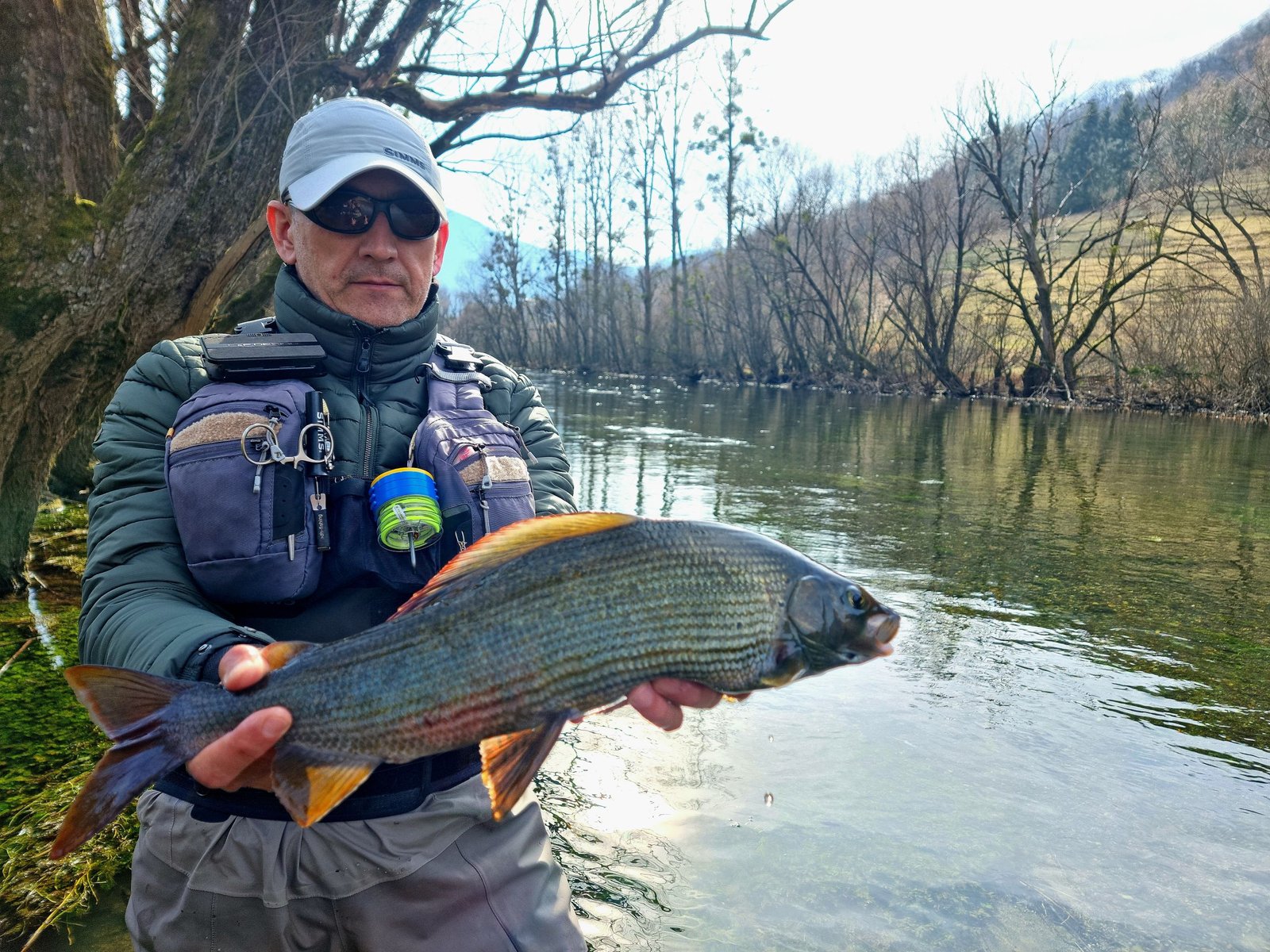
What truly sets the Ribnik River apart is its ability to produce insect hatches even in freezing temperatures. This phenomenon means that grayling can often be found feeding on the surface, providing some exciting dry fly fishing opportunities. While trout are spawning during this period and should not be a targeted to protect their populations, grayling remain an excellent target.
Nymphing can be especially effective during the winter months, not just on Ribnik, but on many other rivers as well. As fish remain in deeper waters, nymph techniques can prove fruitful, providing anglers with a good chance to catch graylings even when conditions are cold.
One of the best aspects of winter fishing in Bosnia is the almost complete absence of crowds. The rivers are typically empty during this time, with only a few locals who understand that the fishing can be very good even in winter. This lack of pressure means anglers can enjoy a peaceful fishing experience amidst the serene winter landscape.
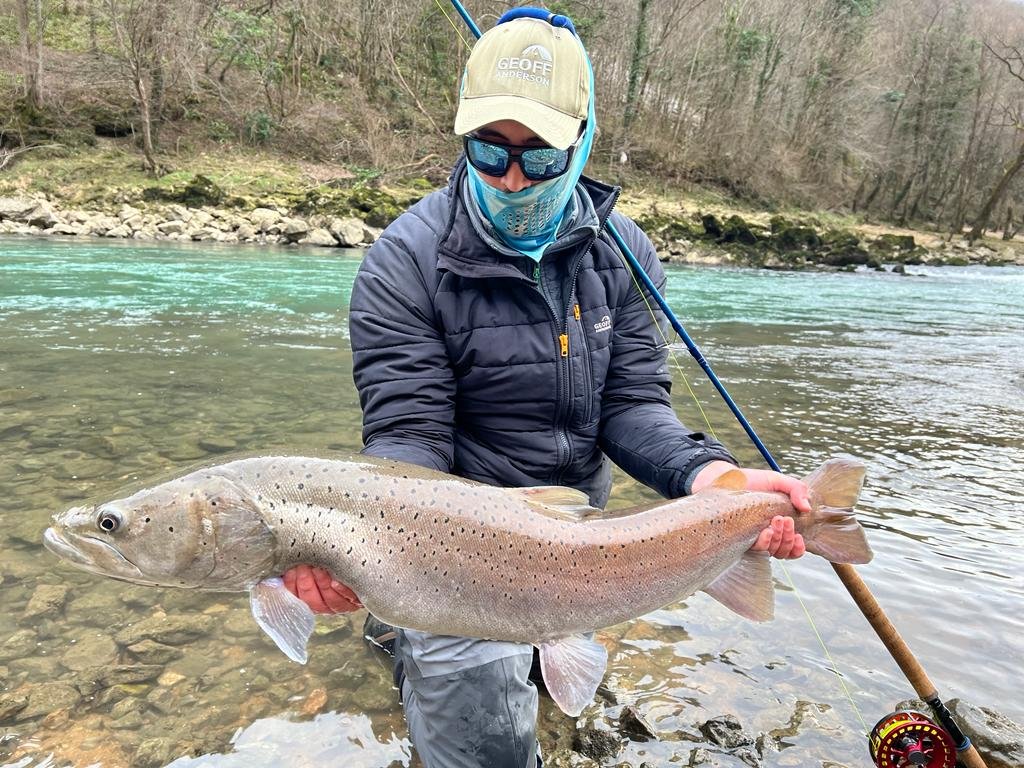
For those looking to pursue something different, winter is the prime time for targeting Hucho hucho, the largest predator in Bosnia’s rivers. This formidable fish, also known as the Danube salmon, is most active in winter, providing an exciting challenge for experienced anglers willing to engage in this specialized fishing.
- Cold Season Fishing: Winter temperatures create a unique and challenging environment for fly fishing, yet opportunities remain.
- Limited Activity Duration: Fishing is most productive for 3-4 hours during the warmest part of the day.
- Insect Hatches: Rivers like Ribnik continue to experience hatches, allowing grayling to feed from the surface.
- Nymphing Techniques: Effective throughout the winter months, providing chances to catch graylings in deeper waters.
- Peaceful Experience: Winter fishing means fewer anglers on the rivers, leading to solitude and an enjoyable fishing atmosphere.
- Targeting Hucho Hucho: Winter is the best time to target the largest predator in Bosnia’s rivers, offering an exciting alternative for adventurous anglers.
CONCLUSION
- Fly fishing in Bosnia offers an extraordinary journey through diverse seasons, each bringing unique opportunities and experiences for anglers. From the vibrant hatches of early spring to the exciting dry fly fishing during autumn, and even the challenges of winter fishing, Bosnia’s rivers are a paradise for fishing enthusiasts. Whether you’re targeting trophy graylings or chasing after elusive brown trout, understanding the seasonal patterns and techniques can significantly enhance your fishing success.
- For the best results during your fly fishing trips in Bosnia, hiring a guiding agency can be a great asset. Local guides offer valuable expertise and knowledge of the rivers, ensuring you make the most of your time on the water. Embrace the beauty and adventure that Bosnian fishing has to offer, and let a local expert help elevate your experience.
- For guiding services, feel free to contact us at mistyflyoutdoors.com.