Introduction
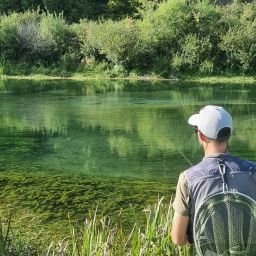
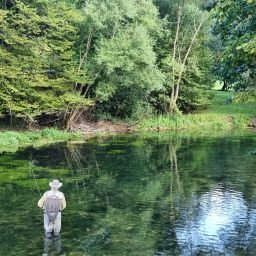
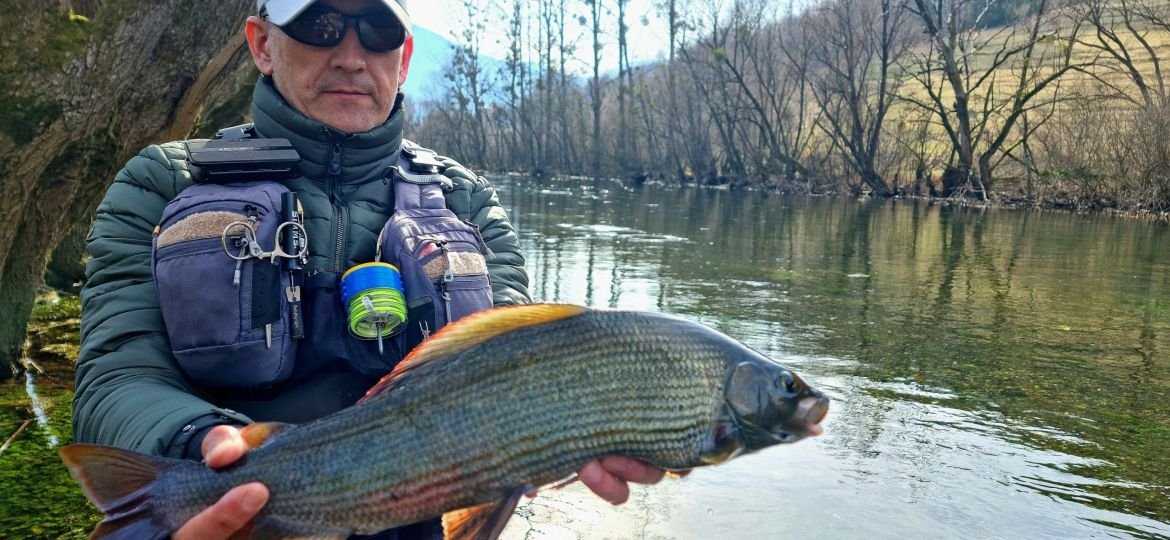
Euro nymphing is a highly effective technique that has gained popularity among fly anglers, especially in challenging fishing conditions. Although some people may not favor it, one cannot deny its success in fast rapids and riffles where standard techniques often fall short. This method allows anglers to present their nymphs with precision and control, making it a go-to strategy for many. Tomislav Prastalo, a former National Fly Fishing Champion of Bosnia and a proud member of Team Bosnia, has mastered this technique. His insights and expertise can help elevate your Euro nymphing game to new heights.
Question 1: What is your preferred setup for Euro nymphing leaders?
Answer: For my preferred leader, I use Maxima Chameleon of 0.18mm, with a length of 4 meters. I then add 50 centimeters of bicolour monofilament. After that, I include a tippet ring, to which I attach my tippet. This thin leader allows for greater sensitivity, which is especially important when fishing for graylings, as they typically have more subtle takes that require keen detection.
Question 2: What casting techniques do you find most effective in Euro nymphing?
Answer: For casting, a small trick that will make your casting much easier is to let your nymphs drop into the water during the back cast before making your forward cast. This technique creates a good transfer of energy, making it significantly easier to cast your nymphs accurately. When fishing lighter flies in deeper spots, I opt for a tuck cast, which helps them sink faster to the bottom and reach the feeding zone more effectively.
Question 3: Can you share your favorite nymph patterns?
Answer: I like to adapt to the conditions I’m facing, but I usually start with either a Pheasant Tail or our local pattern called “Pljevka.” When I’m fishing with two nymphs, I prefer to combine a more imitative natural pattern with an attractor pattern to increase my chances. Perdigons are also very effective; I like to use them when fishing smaller flies that need to get deep, as perdigons have the best sink rate. This combination of patterns allows me to target a wide range of conditions and fish behaviors effectively.
Question 4: How do you ensure a natural presentation of your nymphs while fishing?
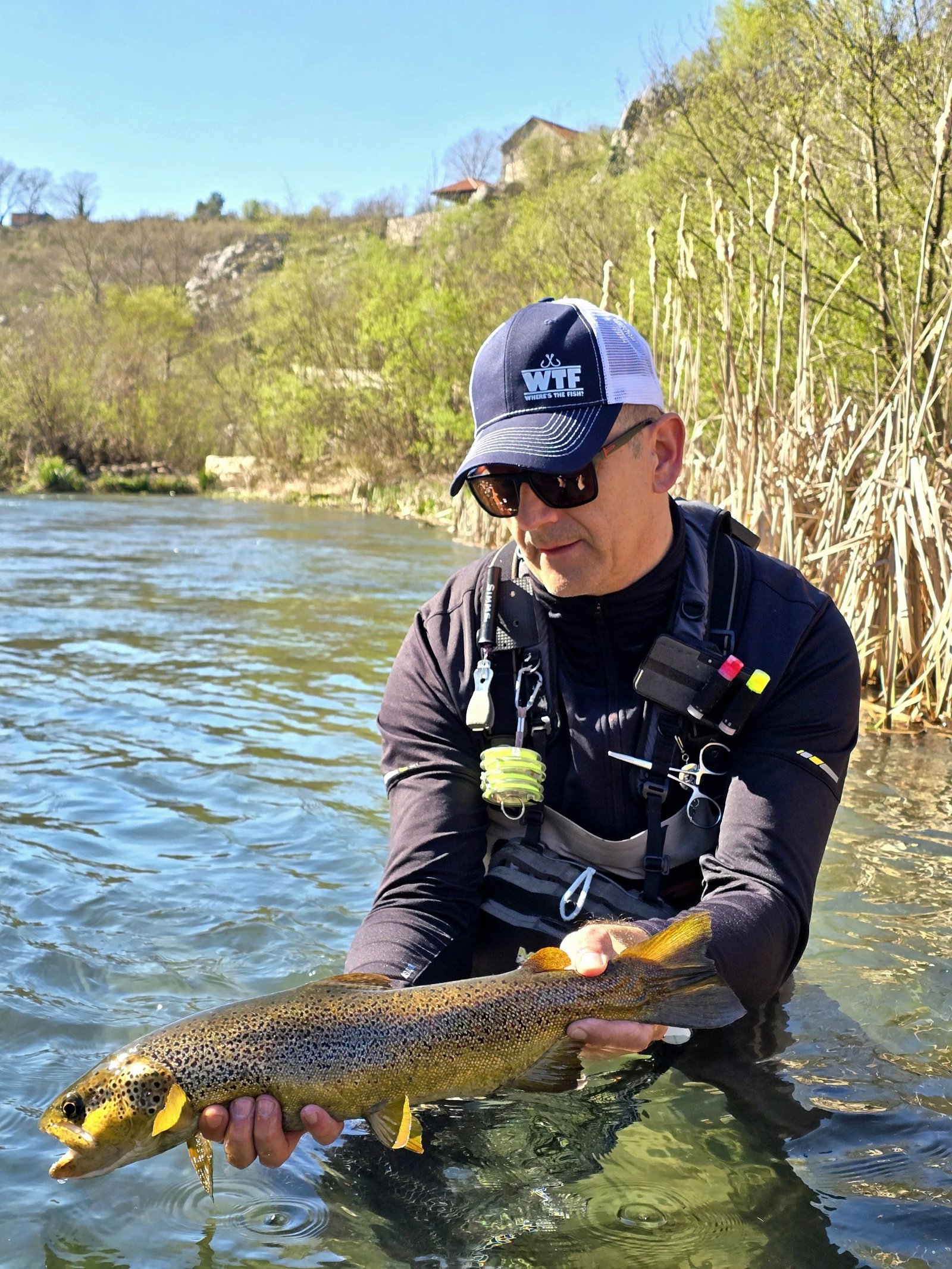
Answer: By using thin leaders, I maintain the best contact with my flies, and I try to avoid any leader lying on the water surface, as this can cause my nymphs to move faster than the flow. Depending on the water depth, I adjust my sighter (bicolor monofilament) to ensure my nymphs are placed deeper or shallower as needed. With a vertical position of the sighter, the nymphs will go deepest, while positioning it at a more horizontal angle allows the nymphs to fish shallower. In some spots, if I’m getting drifts without a take, I will either pull my nymphs a little faster than the current to induce a strike, or jig them with my rod tip, which can be very effective, especially for trout.
Question 5: Do you usually cast upstream, in front of you, or downstream?
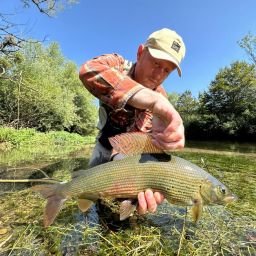
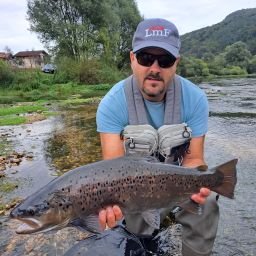
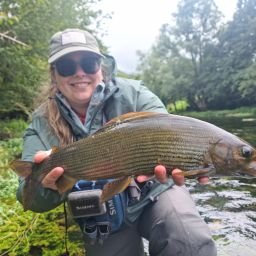
Answer: That mostly depends on the spot where I am fishing and the species I am targeting. When fishing for grayling, I prefer to move downstream and cast in front of or downstream from me because graylings are usually not so spooky. Sometimes, they will even come underneath you to catch the nymphs you lift from the bottom while wading. However, when targeting trout, especially in smaller streams, I always move and fish upstream to try to avoid spooking them.
Question 6: What rods and reels do you prefer for Euro nymphing?
Answer: For Euro nymphing, I prefer longer rods, typically between 10 feet and 11 feet, with ratings of 2wt or 3wt. If I’m fishing in a river with bigger fish, I may also use a 4wt rod, but generally in Bosnia, I stick to the 2wt or 3wt options. As for reels, I like to use semiautomatic reels, as they provide me with better control of my leader and help enhance my overall fishing experience.
Question 7: What is your favorite river for using Euro nymphing?
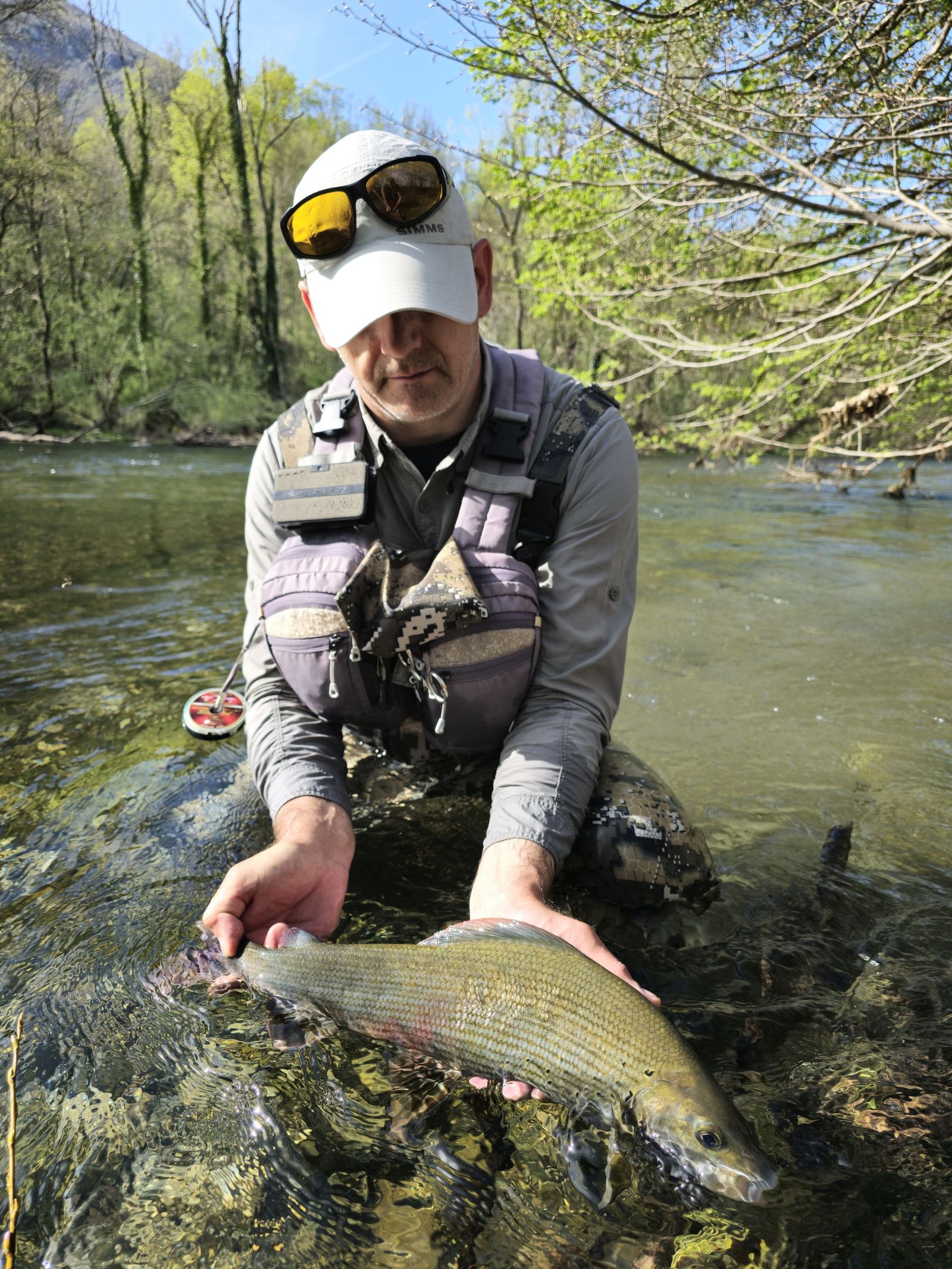
Answer: I don’t have a single favorite river, as I believe you can use Euro nymphing effectively anywhere there is faster water and where you can get close to the fish. However, in general, I think the River Sana offers the best conditions for Euro nymphing due to its high numbers of fish and the variety of water types available. This diversity creates excellent opportunities for anglers to succeed with this technique.
Question 8: Do you have any additional tips for having a better day on the river utilizing Euro nymphing?
Answer: In my opinion, one important tip is to take a moment to stop and observe likely holding spots for the fish before you start fishing. It’s helpful to think about your tactics for how you will approach each spot. I often find success in fishing in front of me where I plan to wade, as graylings can sometimes be in the shallowest riffles where you might not expect to find them. I also believe it’s key to adjust the weight of your nymphs based on the specific spot you are fishing; using flies that are too heavy or too light can impact your catch rate. Lastly, if I think there may be a fish in a riffle or pocket in front of me, I’ll make a few dead drifts, and if I don’t get a take, I’ll gently manipulate the drift a bit to encourage a strike.
Question 9: What would you suggest to novice anglers who want to start with Euro nymphing?
Answer: My advice would be to start with thin leaders. While thicker leaders may be easier to cast, the thin leaders provide much better sensitivity, and it’s definitely worth practicing with them from the beginning. Additionally, try to spend as much time as you can practicing and exploring different types of water. If you believe there should be fish in a particular spot, don’t hesitate to change your tactics and drifts to see how it affects your results. Lastly, I recommend making observations of the microspots where you notice you’re catching the most fish and using those insights when fishing new rivers. This approach can really help you improve your skills and boost your success on the water.
Conclusion :
In conclusion, mastering Euro nymphing can significantly enhance your fly fishing experience, particularly in picturesque Bosnia, known for its excellent fishing conditions. By incorporating Tomislav Prastalo’s expert tips—such as using thin leaders for better sensitivity, adapting to water conditions, and observing fish behavior—you can increase your catch rates and enjoy more fruitful outings. As you explore the captivating rivers of Bosnia, remember that each experience is a chance to learn and refine your skills. Embrace these Euro nymphing tips, and embark on your fishing adventures with confidence and enthusiasm!