Understanding Grayling
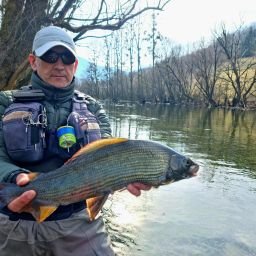
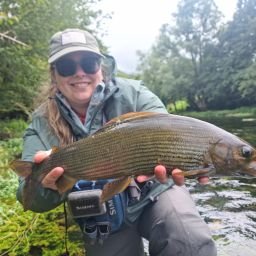
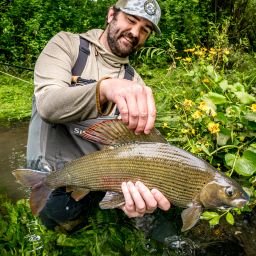
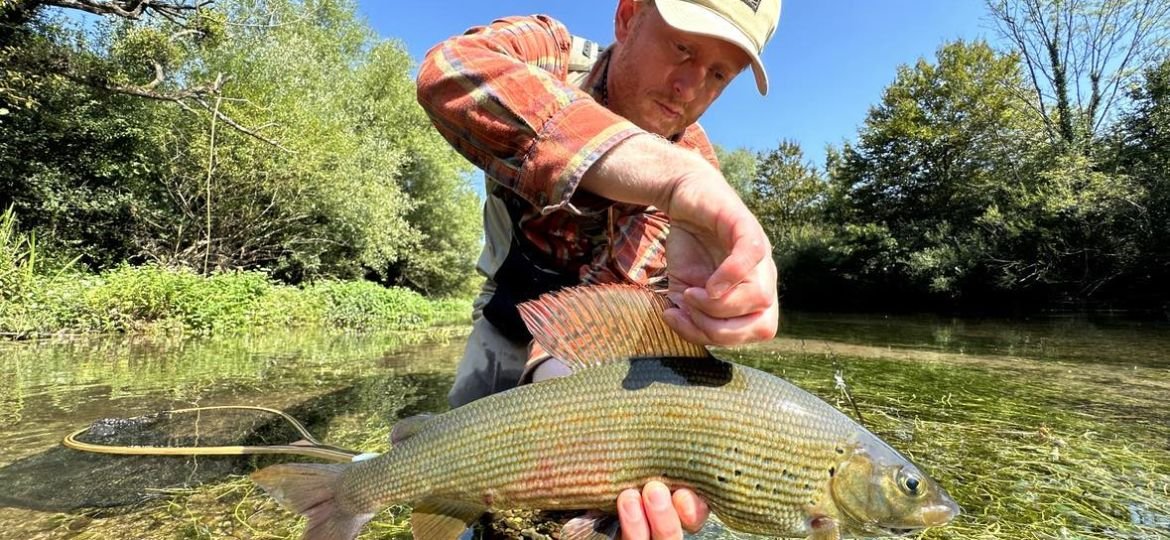
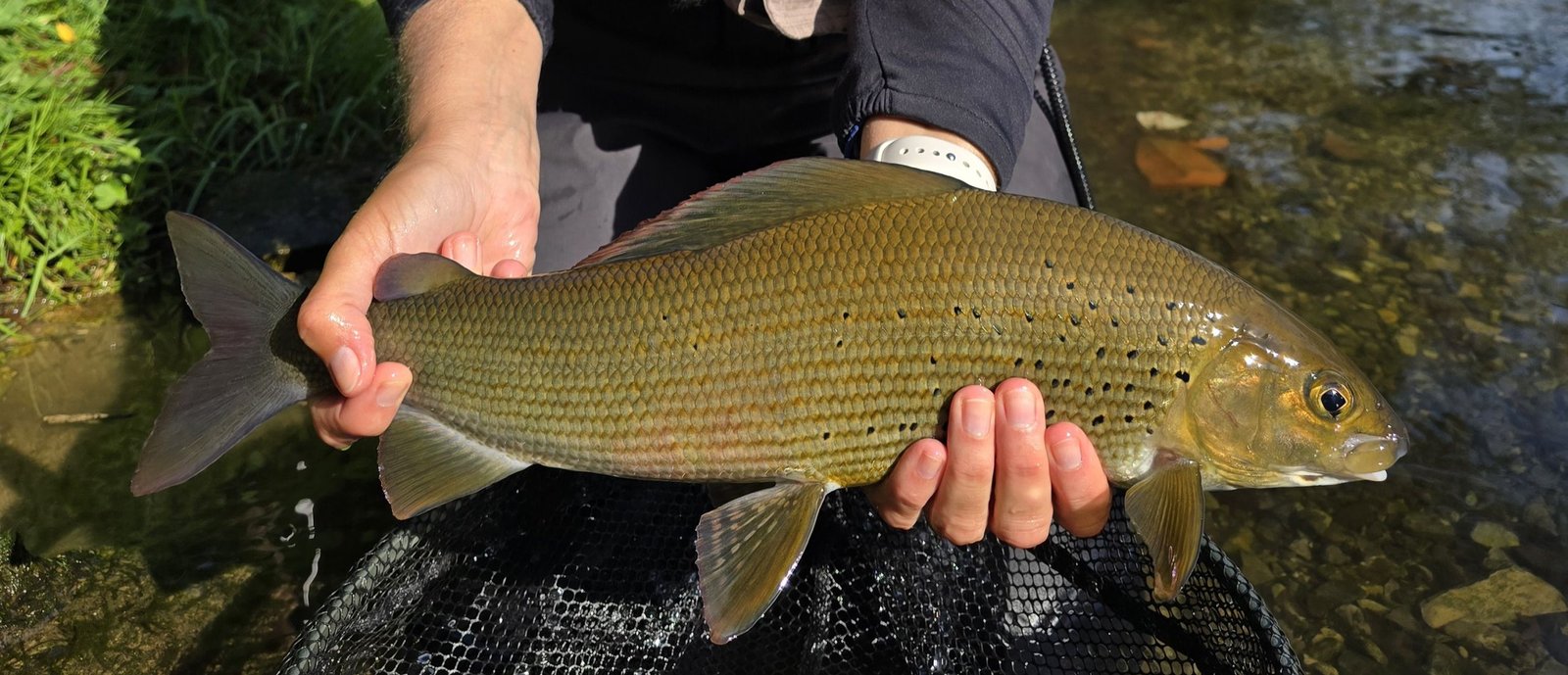
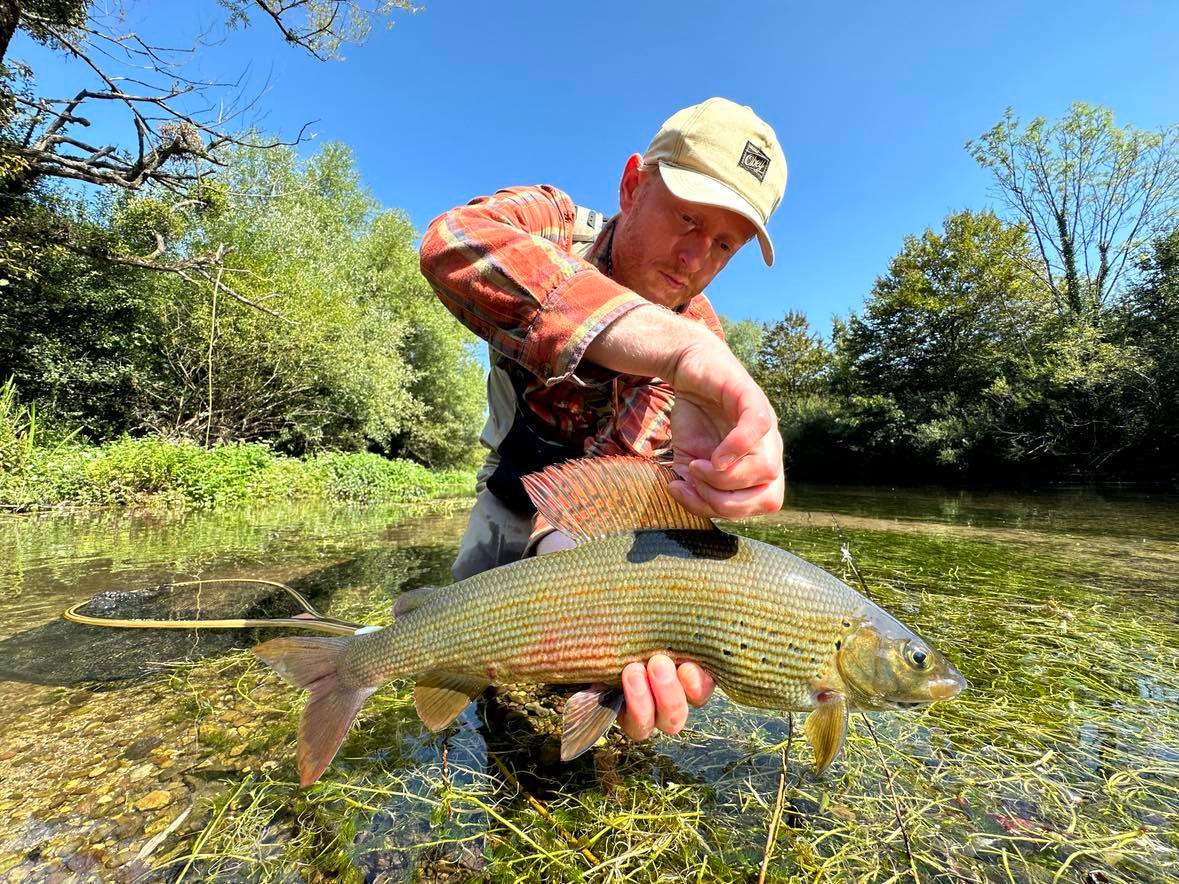
Grayling, often called the “lady of the stream,” are recognized for their striking dorsal fins and silvery bodies. Bosnia is one of the richest regions for grayling fishing, making it an exciting spot for anglers looking to catch these beautiful fish. Anglers report catches of grayling reaching up to 55 cm each year, and any fish measuring 45 cm or more is considered a true trophy.
These fish primarily feed on insects, and while they spawn from March to May, it’s essential to avoid targeting them during this sensitive time to protect their breeding populations. Graylings are a fantastic challenge for anglers because they can be quite selective when it comes to flies, making the pursuit more rewarding. Additionally, once hooked, they provide an exhilarating fight that adds to the thrill of the fishing experience. Understanding their feeding habits and behavior will greatly enhance your chances of successfully hooking these stunning fish in Bosnia’s pristine waters.
When to Fish for Grayling
Graylings are actively feeding throughout the year, but the best times to fish for them are during periods of intense insect hatches, particularly in spring and autumn. The prime months for targeting grayling in Bosnia typically range from May to October, making this the ideal fishing season.
In the spring, warm temperatures trigger increased insect activity, drawing graylings to the surface where they can be caught with dry flies. Mid-afternoon is often the best time to fish during this season, as this is when the hatches are most prolific, and graylings are particularly active.
As the weather warms during summer, early mornings and evenings become optimal fishing times. During these cooler parts of the day, graylings are on the hunt for food, rising to the surface to feed on insects as they emerge. Autumn can also provide excellent opportunities, with graylings remaining active for longer periods throughout the day as they prepare for the colder months ahead.
Even during the winter months, graylings do not completely stop feeding. While they may become less active in colder conditions, they can still be caught during the warmest part of the day when they are more likely to move for food.
Understanding the seasonal patterns and behaviors of grayling can significantly enhance your fishing success. By choosing your fishing times wisely and being aware of the specific timings that correspond with their feeding habits, you can increase your chances of landing these beautiful fish in Bosnia’s pristine waters.
Grayling Positioning in the River
Graylings can be found anywhere in the river, displaying remarkable adaptability in their positioning. What makes them special is their ability to feed even in very shallow waters, with depths as little as 20 cm. However, they also inhabit deeper pools and fast riffles, showcasing their versatility.
Unlike trout, which often seek the edges of the river, graylings prefer to stay in the flow where most of the nymphs are drifting. Additionally, graylings are known to enjoy social feeding behaviors, often staying in groups. This means that where you find one grayling, there are likely to be several more nearby. In rivers that have patches of grass, graylings tend to position themselves between these patches on gravel or even on the grass itself. If you observe them there, it’s likely that they are actively feeding and searching for food.
In terms of substrate, graylings generally prefer smaller gravel bottoms over larger rocky ones. They can be found throughout various depths, ranging from shallow riffles of 20 cm to deeper pools that reach up to 3 meters. In our experience, the biggest graylings often find the smaller microcurrents, which bring them nymphs. This allows them to feed efficiently without expending much energy.
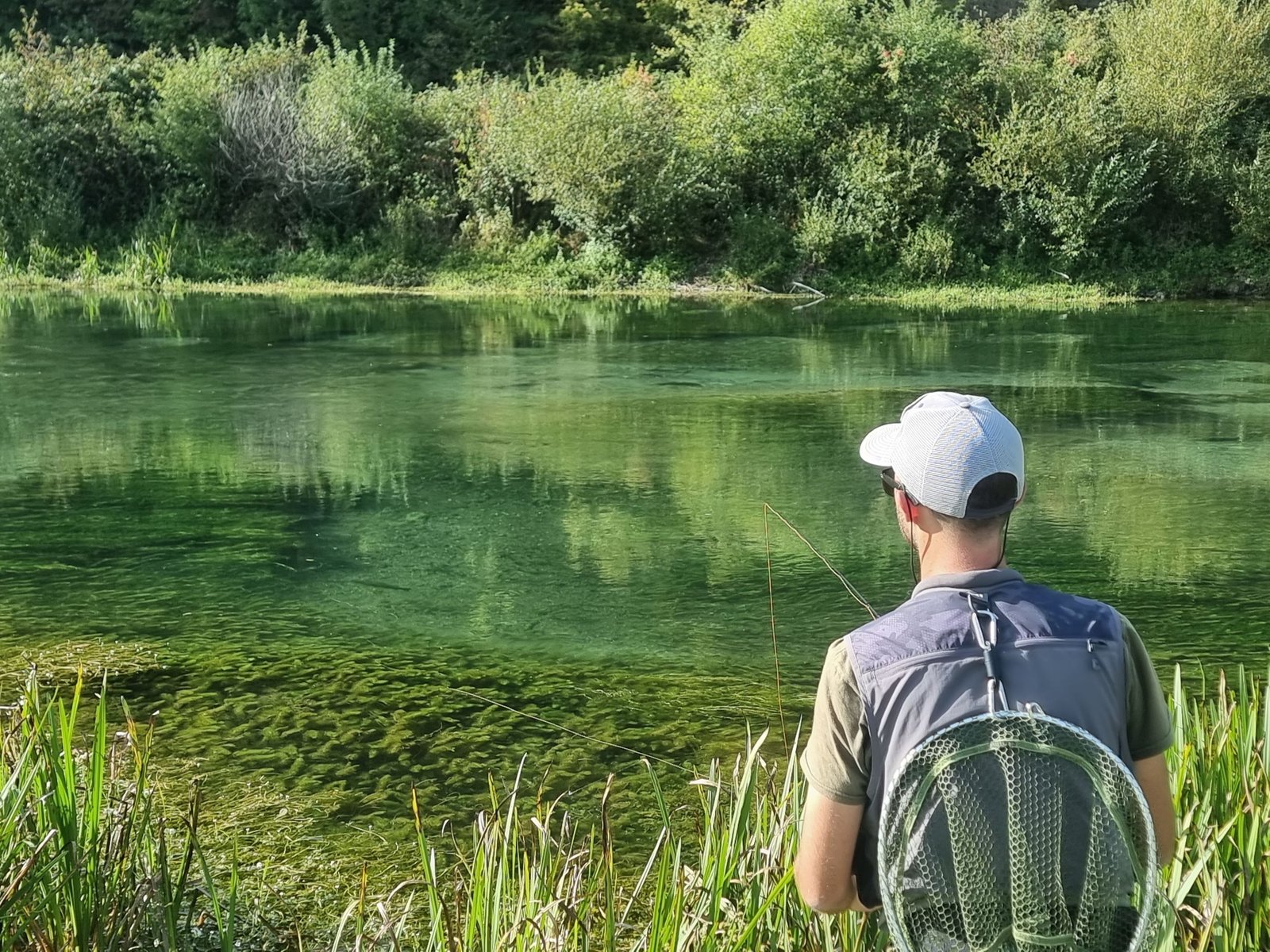
By understanding these positioning habits, anglers can better target their efforts and increase their chances of catching these beautiful fish in Bosnia’s pristine waters.
Feeding Behavior of Grayling
Graylings are agile feeders, capable of swimming up to 2 meters to rise for a dry fly or moving 1 meter to snatch a nymph. When they are feeding actively, they sometimes ignore your presence and will come very close to you, even swimming under your legs to feed on the nymphs you lift up from the bottom when you wade. Notably, larger grayling can exhibit intriguing feeding behaviors; they may let a nymph pass by before turning around and following it downstream before finally eating it.
In rivers rich in Gammarus, such as the Pliva, you can often observe graylings sticking their heads to the bottom to feed on these small crustaceans. When it comes to dry flies, graylings can be very selective, especially in high-pressure waters like the Ribnik, where insect diversity is abundant. They may rise to the fly but refuse it at the last second if they are targeting specific nymph species. Additionally, if they are feeding on emerging insects, they will often position themselves in the middle column of the river, especially in deeper pools.
Essential Gear
When preparing for grayling fishing in Bosnia, having the right equipment is crucial for success. Here’s a more detailed breakdown of the essential gear you should consider:
- Rod and Reel: Opt for a lightweight fly rod typically in the range of 3 to 5 weight. This allows for quick casting and delivers the sensitivity needed to detect subtle bites. A quality reel is important, too; ensure it balances well with your rod and features a smooth drag system. This is essential for managing the spirited fights that graylings can put up, especially when competing with larger specimens.
- Line and Leader: Using a good fly line is important, but the leaders play a vital role in achieving success on clear waters. Long leaders are particularly effective in Bosnia’s rivers, with tippets usually ranging from 6X to 7X. This lightweight setup helps present small flies delicately in the water, ensuring that graylings are lured without being spooked.
- Flies: Having a diverse selection of flies is essential as graylings are known for their selectivity. Focus on smaller patterns, as they often outperform larger flies in Bosnian waters. It is also crucial to match the hatch by observing the local insect life and adjusting your fly selection accordingly. Common patterns for grayling include small nymphs, emerger patterns, and dry flies that mimic the prevalent insects during your fishing trip.

Techniques for Success
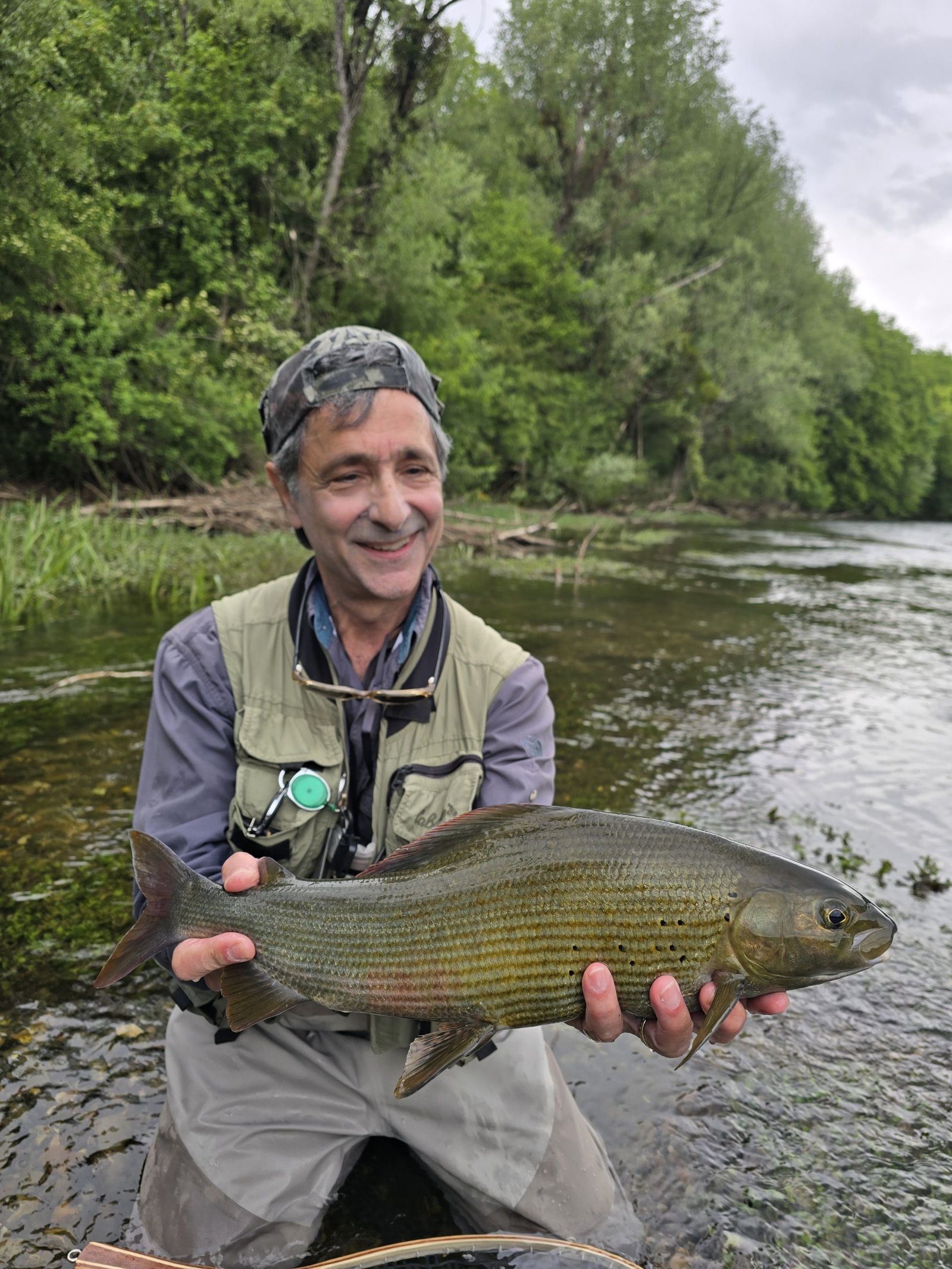
Mastering various fishing techniques is essential for effectively targeting grayling in Bosnia’s diverse river environments. Here’s a deeper look at some of the most effective approaches you can employ:
- Nymph Fishing: Nymphing is often the most effective method for catching grayling. Since grayling primarily feed on nymphs drifting in the current, this technique allows you to present your flies exactly where they are feeding. You can choose to fish with an indicator for better visibility of bites, or utilize traditional nymphing methods with a fly line, adjusting the weight of your nymphs to match the flow of the water. In fast currents, heavier nymphs can help you achieve the appropriate depth quickly. Experimenting with a variety of nymph patterns will help you determine what works best.
- Dry Fly Fishing: For dry fly fishing, the presentation is critical. Graylings are known for being particular about what they eat, which makes a drag-free drift essential. Ensure that your fly is presented naturally; any micro-drag can cause them to refuse your offering. In spring and summer, focus on matching the type of insects that are hatching at the time. Observe the water for rising fish to identify which flies are currently most effective.
- Tight Line or Euro Nymphing: This technique has gained popularity among anglers for its effectiveness in fast-moving waters. Tight line nymphing allows for greater control over your flies, ensuring a more direct connection and improved sensitivity to bites. In contrast to trout, grayling takes are often very subtle, making this method particularly effective. Using very thin nymphing leaders enhances detection, as it allows you to feel even the slightest nibbles that might go unnoticed with heavier tackle. By maintaining a straight line between your rod tip and the flies, you can feel even the slightest nibble. This method also lets anglers fish deeper water efficiently, where larger grayling tend to reside.
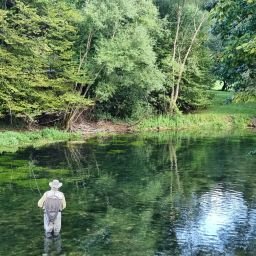
- Sight Fishing: Sight fishing is an exciting and rewarding method, especially in clear waters like the Pliva or Ribnik, where you can observe the movements of grayling. This technique involves carefully scanning the water to identify feeding fish, then making precise presentations to them. It requires patience and skill, as you’ll need to assess the water’s currents, the fish’s position, and their feeding behavior. By observing their actions, you can determine the best approach for your fly and increase your chances of a successful catch.
Local Knowledge and Conservation
Every river has specific locations and behavior patterns of graylings, so the best way to quickly learn about them is by engaging with local anglers or guides. This interaction can make your trip successful from the first day on the river, rather than spending days figuring out the best locations or patterns. Understanding local regulations is also essential, as many areas encourage catch-and-release practices to conserve grayling populations.
Conclusion
Fly fishing for grayling is a unique and fulfilling experience that challenges anglers while allowing them to connect with nature’s beauty. By mastering the right techniques, gear, and flies, you can increase your chances of encountering these stunning fish. Whether you’re a seasoned angler or just starting, targeting grayling promises excitement and satisfaction on the water. Get ready, pack your gear, and immerse yourself in the art of grayling fly fishing!